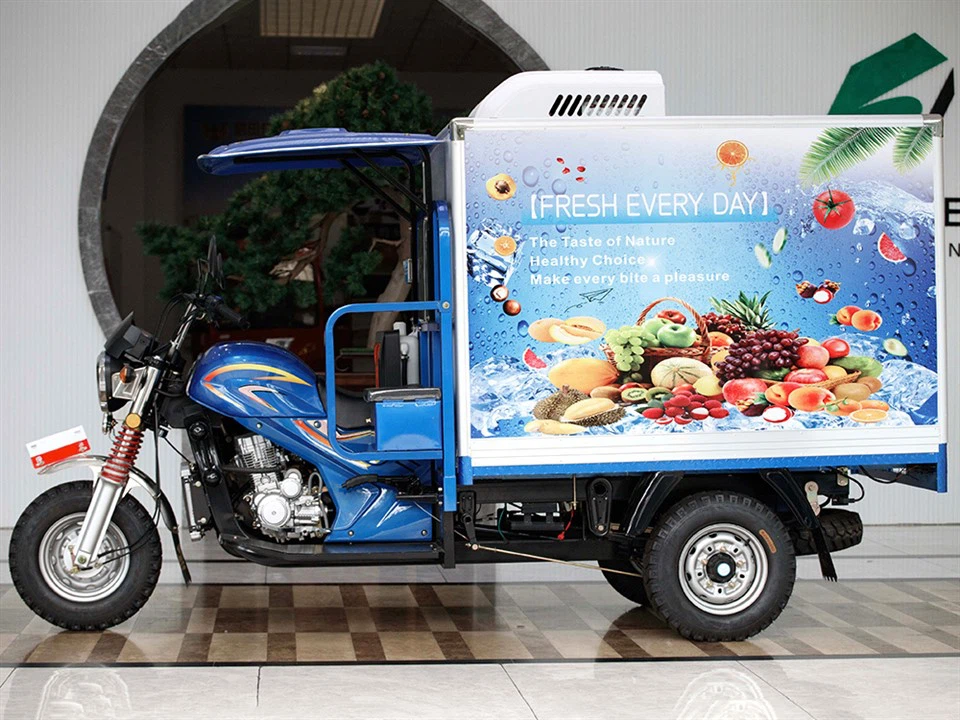
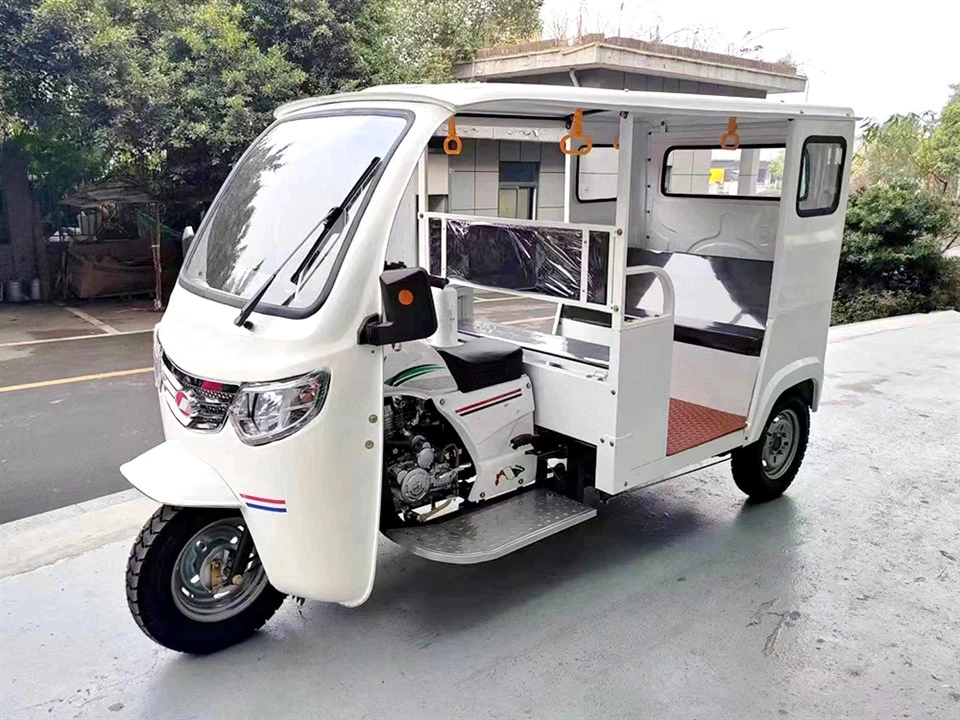
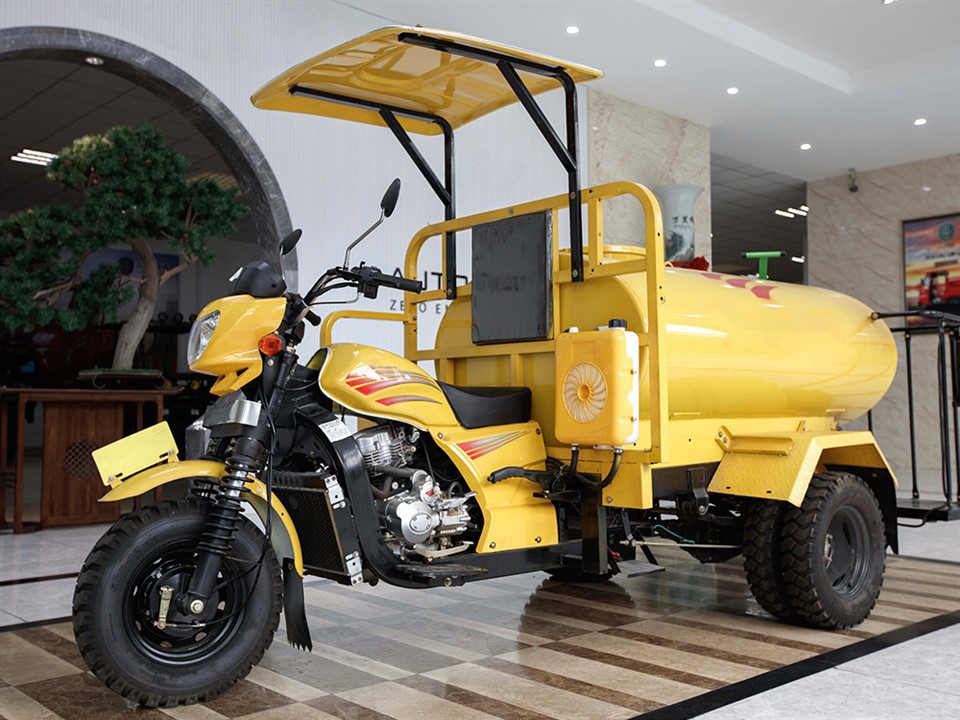
Today, I'll guide you through understanding the differences between electric and gasoline tricycles.
In terms of performance, they have drastically different drive systems. Electric tricycles are driven by a rotating rotor, while gasoline engines use a reciprocating piston motion. Therefore, gasoline tricycles have higher energy density, more horsepower, can climb steep slopes, and have a longer range of 220-280 km.Electric tricycles, limited by battery capacity and size, usually deliver 50–150 km of range per charge.Thanks to the electromagnetic-torque principle, an electric motor can deliver maximum torque from zero rpm, so acceleration off the line is quicker. Moreover, without the explosive pulses of pistons, an electric tricycle runs more smoothly and quietly. The trade-off is the absence of high-density power bursts.Therefore, their usage scenarios differ. Gasoline tricycles are primarily used for transporting goods in hilly areas.Electric tricycles are more commonly used for short-distance urban delivery, community commuting, and passenger transport in scenic areas-scenarios where environmental protection and quiet operation are paramount.
Therefore, the choice of which vehicle model to use ultimately depends on a comprehensive balance between usage needs and environmental conditions.