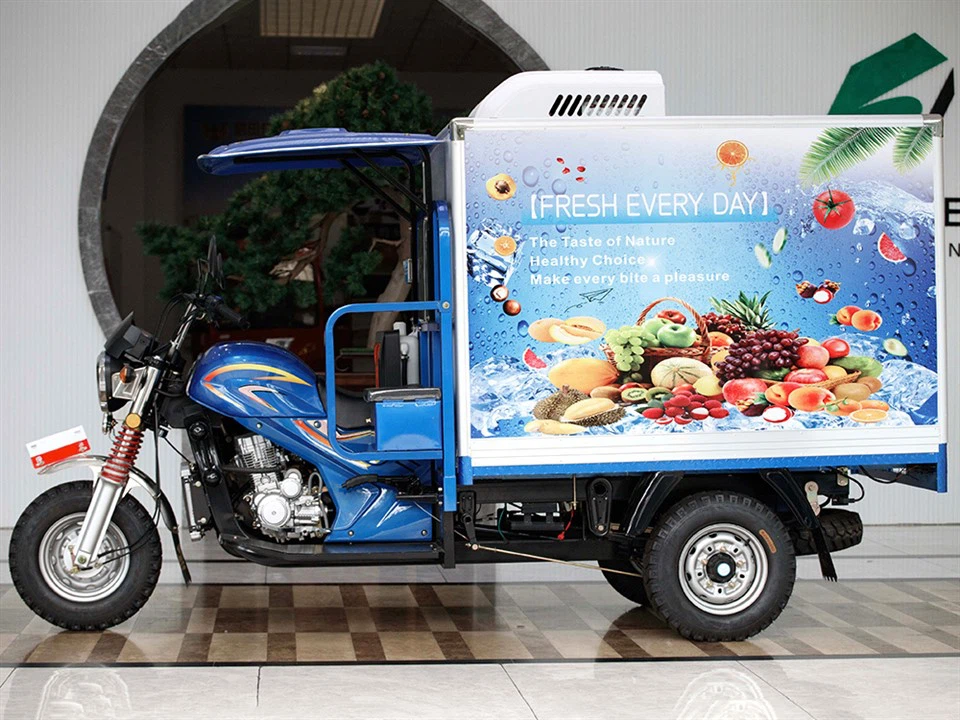
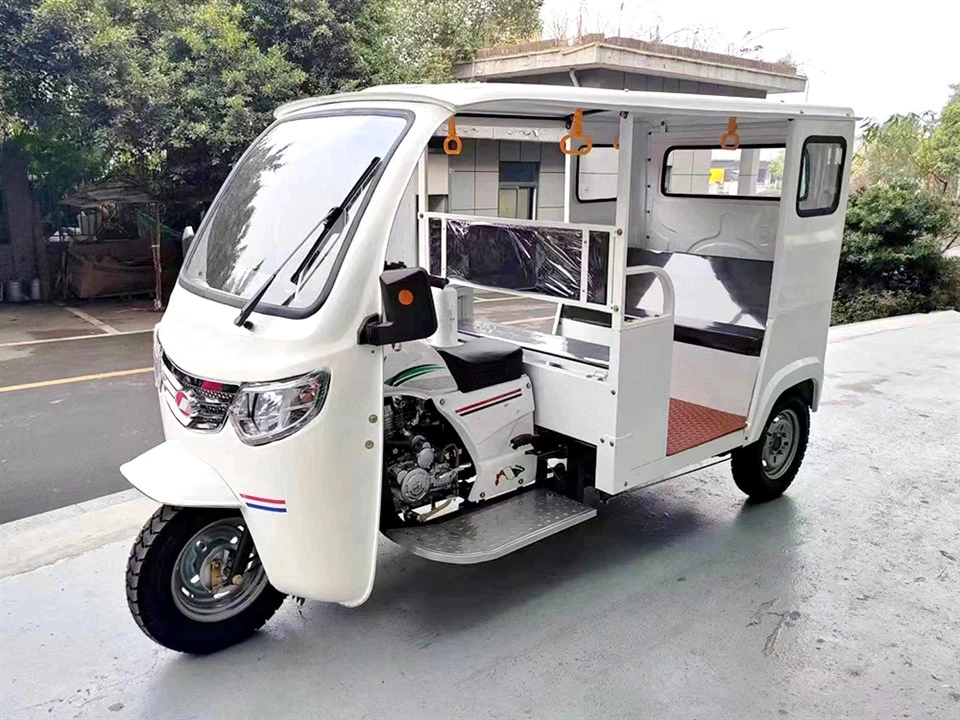
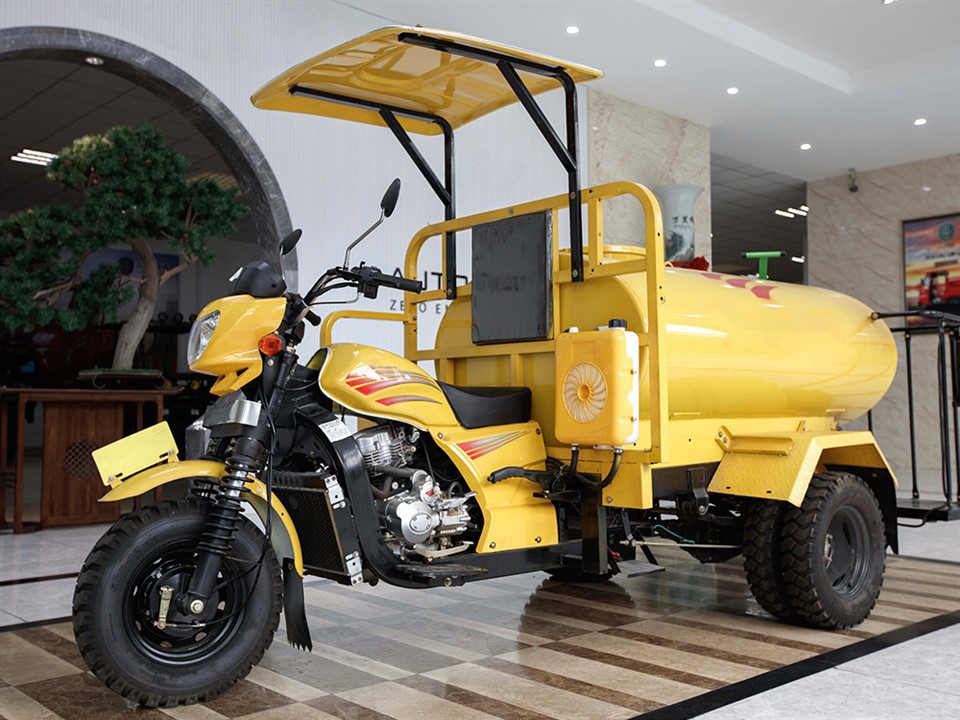
The core differences between electric and gasoline tricycles:
The initial purchase cost of an electric tricycle is 10%-30% higher than a gasoline tricycle with the same configuration (the core difference lies in the battery). However, during the usage period, electricity costs are only 1/10 of gasoline costs. Based on an annual mileage of 10,000 kilometers, the annual energy cost for an electric tricycle is approximately USD 50-100, while for a gasoline tricycle it's approximately USD 400-500. The price difference can be recovered in 3-4 years.
The purchase cost of an entry-level gasoline tricycle (150cc) is approximately USD 1000-1200, which is USD 450-500 lower than an electric tricycle with the same load capacity. It is suitable for short-term investment and frequent refueling scenarios such as rural freight and underdeveloped areas.
Electric tricycles are exported to the EU, the US, Japan, and South Korea, emphasizing low energy consumption, carbon footprint compliance, and intelligent features (such as BMS and GPS).
Gasoline tricycles are exported to Southeast Asia, Africa, and South America, emphasizing strong power, long range, and simple maintenance. They can be equipped with low-emission engines.
The core competitiveness of electric tricycles lies in their low cost, environmental compliance, and policy support, making them suitable for markets with well-developed infrastructure and high environmental requirements.
The core advantages of gasoline tricycles are their strong power, long range, and wide adaptability, making them suitable for markets with weak infrastructure and high requirements for energy replenishment efficiency.