Hey there, fellow bike enthusiasts! I'm a supplier of gas-powered motorbikes, and I've been in the game for quite some time. One question I get asked a lot is, "What safety features should a gas-powered motorbike have?" Well, I'm here to break it down for you.
First off, let's talk about brakes. Brakes are the most crucial safety feature on any motorbike. A good braking system can mean the difference between a close call and a serious accident. Most modern gas-powered motorbikes come with disc brakes, which are far more effective than drum brakes. Disc brakes work by clamping a caliper onto a rotating disc, which slows down the wheel. They offer better stopping power, especially in wet conditions.
For instance, our Motocross Smx is equipped with high-performance disc brakes. These brakes are designed to handle the high speeds and intense maneuvers that motocross riders are known for. They provide quick and reliable stopping power, giving riders the confidence they need to push the limits.
Another important safety feature is the lighting system. A motorbike needs to be visible, both during the day and at night. The headlights should be bright enough to illuminate the road ahead, and the taillights and brake lights should be visible from a distance. Some bikes also come with daytime running lights (DRLs), which are always on when the bike is running. This increases the bike's visibility to other road users, reducing the risk of accidents.
Our Two-wheeled Scooters are fitted with a comprehensive lighting system. The headlights are designed to provide a wide and clear beam, ensuring that you can see and be seen on the road. And the brake lights are extra bright, so that the drivers behind you know exactly when you're slowing down.
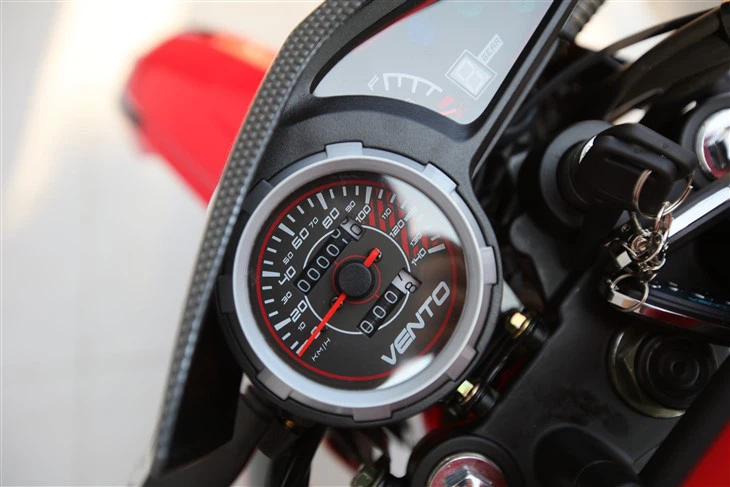
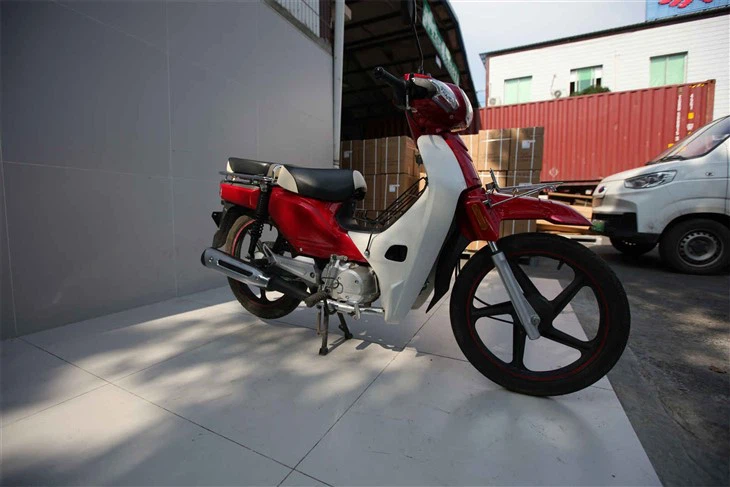
The suspension system is also a key safety feature. A good suspension system helps to keep the wheels in contact with the road, providing better traction and handling. It also absorbs shocks and vibrations, making the ride more comfortable and reducing the risk of fatigue. There are different types of suspension systems available, such as conventional forks, inverted forks, and mono-shock setups.
Our On Road Dirt Bike has a top-of-the-line suspension system. It's designed to handle both on-road and off-road conditions, providing a smooth and stable ride. Whether you're cruising on the highway or tackling rough terrain, the suspension system ensures that the bike responds well to your inputs and keeps you in control.
Tires are another aspect that shouldn't be overlooked. Good tires provide grip, stability, and traction. They need to be in good condition and properly inflated to ensure optimal performance. Different types of tires are suitable for different riding conditions. For example, street tires are designed for smooth roads, while off-road tires have deeper treads for better grip on rough surfaces.
We always recommend that our customers check their tire pressure regularly and replace their tires when they're worn out. This simple maintenance task can go a long way in preventing accidents.
Safety features also extend to the rider's gear. A high-quality helmet is a must-have. It protects the rider's head in case of an accident and can significantly reduce the risk of serious injury. Other protective gear, such as gloves, jackets, and boots, can also provide additional protection.
At our company, we believe in promoting safety. That's why we sometimes offer incentives for riders to purchase proper safety gear when they buy a motorbike from us. We want our customers to enjoy their rides, but we also want them to do it safely.
Now, let's talk about anti-lock braking systems (ABS). ABS is a technology that prevents the wheels from locking up during braking. When a wheel locks up, the bike can skid, which makes it difficult to control. ABS senses when a wheel is about to lock up and automatically adjusts the brake pressure to keep the wheel rotating. This helps the rider to maintain control of the bike and stop more safely.
Many of our gas-powered motorbikes are available with ABS as an option. We highly recommend it, especially for riders who are more likely to encounter sudden stops or slippery road conditions.
Another safety feature that's becoming more common is traction control. Traction control monitors the speed of the wheels and reduces power to the engine if it detects wheel slip. This helps to prevent the bike from spinning out of control, especially when accelerating or cornering.
If you're someone who likes to push the limits of your bike, traction control can be a real game-changer. It gives you an extra layer of safety and confidence, allowing you to ride more aggressively without worrying as much about losing control.
In addition to these mechanical safety features, modern motorbikes are also incorporating advanced electronics. For example, some bikes have a stability control system that helps to keep the bike upright during sharp turns or in challenging road conditions. Others have a collision warning system that alerts the rider if it detects an impending collision.
As bike technology continues to evolve, we're constantly looking for ways to improve the safety of our gas-powered motorbikes. We stay up-to-date with the latest trends and research in the industry to ensure that our bikes are equipped with the best safety features available.
So, if you're in the market for a gas-powered motorbike, make sure to consider these safety features. They can make your rides safer and more enjoyable. And if you have any questions or want to discuss which bike is right for you, don't hesitate to reach out. We're here to help you find the perfect gas-powered motorbike that meets your needs and keeps you safe on the road.
Whether you're a beginner rider or an experienced pro, safety should always be your top priority. Our team is dedicated to providing high-quality, safe motorbikes, and we're happy to work with you on your purchase. Drop us a line, and let's start the conversation about getting you on the perfect bike for your adventures.
References
- Various industry reports on motorbike safety features
- Research studies on the effectiveness of different braking and suspension systems
- Manufacturer's guidelines for maintaining bike safety features