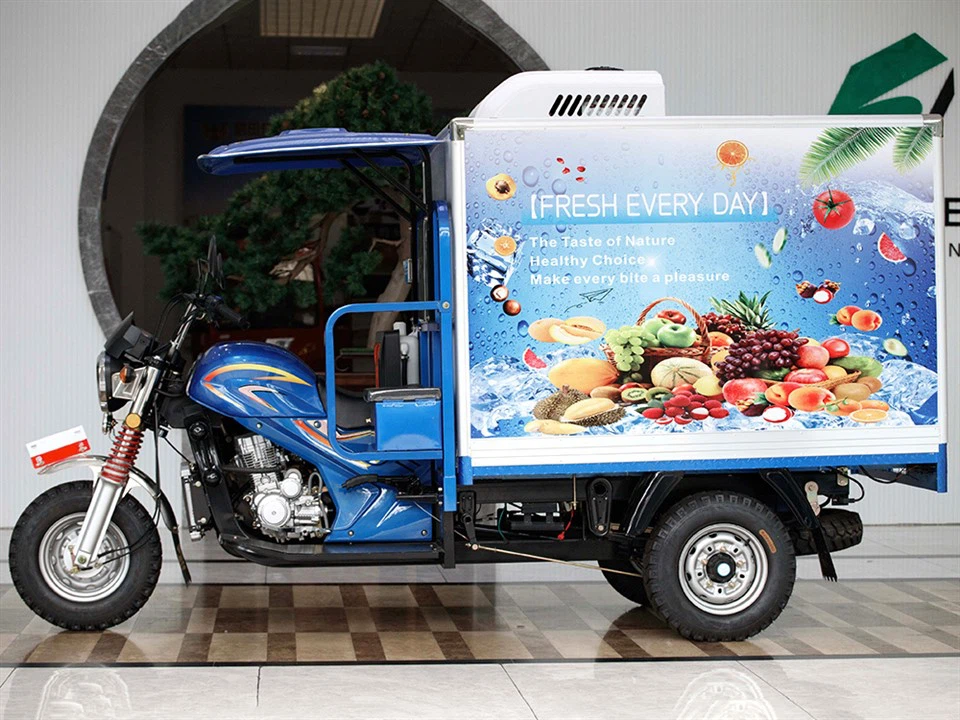
Hey there! As a supplier of Cargo Electric Trikes, I often get asked how the pedal - assist feature on these bad boys works. So, let's dive right into it!
What is Pedal - Assist?
First off, pedal - assist is a game - changer in the world of electric vehicles. In simple terms, it's a system that gives you an extra push when you're pedaling your cargo electric trike. Instead of relying solely on your leg power or just the electric motor, pedal - assist combines the two.
When you start pedaling your Cargo E Trike, the pedal - assist system kicks in. It senses the movement and the force you're applying to the pedals. Based on this input, the electric motor provides additional power to help you move forward. This is super useful, especially when you're carrying heavy loads or going uphill.
How Does the Pedal - Assist System Sense Your Pedaling?
There are a few different ways the pedal - assist system can sense your pedaling. One common method is through the use of sensors.
Torque Sensors
Torque sensors are pretty smart. They measure the amount of force you're applying to the pedals. When you push harder on the pedals, the sensor detects the increased torque and tells the electric motor to provide more power. So, if you're struggling to get a heavy cargo up a hill, you'll naturally push harder on the pedals. The torque sensor picks up on this and gives the motor a signal to give you a stronger boost. It's like having a little helper that knows exactly how much extra power you need at any given moment.
Cadence Sensors
Cadence sensors work a bit differently. They simply detect how fast you're pedaling. Once you start pedaling, the cadence sensor starts the electric motor. The faster you pedal, the more power the motor delivers. However, unlike torque sensors, cadence sensors don't take into account how much force you're using. So, whether you're pedaling lightly or really pushing it, the motor will react based on your pedaling speed.
Adjusting the Pedal - Assist Level
Another great thing about the pedal - assist feature on cargo electric trikes is that you can usually adjust the level of assistance. Most trikes come with multiple levels, often ranging from 1 to 5 or even more.
- Level 1: This is the lowest level of assistance. It gives a very gentle boost, which is great for when you want to get a bit of exercise but still have a little help. Maybe you're on a flat, easy road and just want a bit of an extra nudge.
- Level 5 (or the highest level): On the other end of the spectrum, this level provides maximum assistance. When you select this, the motor will give you a really strong push, making it easier to carry heavy loads or tackle steep hills.
You can switch between these levels depending on your needs. For example, if you're starting off with a full load of cargo on a flat road, you might start with a higher level. Once you're up to speed or on more level ground, you can drop down to a lower level.
Components of the Pedal - Assist System
Let's take a quick look at the main components that make up the pedal - assist system on a cargo electric trike.
Electric Motor
The electric motor is the heart of the pedal - assist system. It's what provides the extra power to help you pedal. There are different types of motors used in cargo electric trikes, such as hub motors and mid - drive motors.
Hub motors are located in the wheel hubs. They're relatively simple and easy to install. They're also quite reliable. Mid - drive motors, on the other hand, are located near the bottom bracket of the bike. They offer better weight distribution and can provide more efficient power transfer, especially when climbing hills.
Battery
The battery is what powers the electric motor. It stores the energy that the motor uses to provide the pedal - assist. The capacity of the battery is measured in amp - hours (Ah). A larger capacity battery will allow you to go further on a single charge. When you're using the pedal - assist feature, the battery is constantly being used to power the motor. So, it's important to make sure your battery is fully charged before you head out on a long trip with your Electric Tricycle.
Controller
The controller is like the brain of the pedal - assist system. It receives signals from the sensors (torque or cadence sensors) and decides how much power to send to the motor. It also manages the power output based on the level of assistance you've selected.
Benefits of Pedal - Assist on a Cargo Electric Trike
Now that we know how the pedal - assist feature works, let's talk about why it's so great.
Easier to Carry Heavy Loads
One of the biggest advantages of a cargo electric trike with pedal - assist is that it makes it much easier to carry heavy loads. Whether you're delivering packages, moving groceries, or transporting tools for work, the extra power from the pedal - assist system takes a lot of the strain off your legs.
Energy - Efficient
Using pedal - assist is more energy - efficient than relying solely on the electric motor. When you pedal, you're contributing to the movement of the trike, which means the motor doesn't have to work as hard. This can extend the range of your battery, allowing you to go further on a single charge.
Good for Exercise
Pedal - assist doesn't mean you don't have to pedal at all. It just gives you a little help. So, you still get some exercise while riding your trike. You can adjust the level of assistance depending on how much of a workout you want. If you're feeling energetic, you can choose a lower level and get a good leg workout. If you're tired or in a hurry, you can crank up the assistance and get where you need to go faster.
Maintenance of the Pedal - Assist System
To keep your pedal - assist system working smoothly, it's important to do some regular maintenance.
- Check the Sensors: Make sure the torque or cadence sensors are clean and functioning properly. Over time, dirt and debris can build up on the sensors, which can affect their accuracy. You can clean them gently with a soft cloth.
- Inspect the Battery: Check the battery regularly for any signs of damage or wear. Make sure it's properly connected and charged. If you notice any issues with the battery, such as a significant decrease in range, it might be time to replace it.
- Lubricate the Chain: A well - lubricated chain is essential for the smooth operation of your trike. If the chain is dry or dirty, it can put extra strain on the pedal - assist system. Use a good quality bike chain lubricant and apply it according to the manufacturer's instructions.
Conclusion
The pedal - assist feature on a cargo electric trike is a fantastic addition that makes these vehicles more practical, efficient, and fun to ride. Whether you're a business owner looking for a cost - effective way to make deliveries or an individual who needs to carry heavy items around town, a China Cheap Electric Tricycle with pedal - assist is a great choice.
If you're interested in learning more about our cargo electric trikes or are thinking about making a purchase, don't hesitate to reach out. We're here to answer any questions you might have and help you find the perfect trike for your needs. Let's start a conversation and see how we can make your transportation tasks easier!


References
- Electric Bike Report. (2023). Understanding Pedal - Assist on Electric Bikes.
- Bicycle Retailer. (2023). The Benefits of Pedal - Assist Systems in Cargo Electric Trikes.