When it comes to keeping our cities and communities clean, sanitation vehicles play a crucial role. As a sanitation vehicle supplier, I've seen firsthand the different types of vehicles out there and how they stack up in terms of cost - effectiveness. In this blog, I'll break down the cost - effectiveness of various sanitation vehicles to help you make an informed decision when it comes to purchasing.
Let's start with the basics. Cost - effectiveness isn't just about the upfront price of a vehicle. It also includes factors like fuel efficiency, maintenance costs, and the vehicle's lifespan. These elements all contribute to the overall cost of owning and operating a sanitation vehicle over time.
Garbage Trucks
Garbage trucks are the workhorses of the sanitation industry. They come in different sizes and types, such as rear - loaders, front - loaders, and side - loaders. Rear - loaders are often the most common. They're relatively easy to operate and can handle a large volume of waste. However, they can be a bit slower when it comes to loading, which might increase labor costs in the long run.
Front - loaders, on the other hand, are great for commercial areas. They can quickly pick up large dumpsters, which is efficient for businesses that generate a lot of waste. But they tend to be more expensive to purchase and maintain. Side - loaders offer a good balance. They're fast at loading and can be more maneuverable in tight spaces, but they may not have the same capacity as front - loaders.


In terms of cost - effectiveness, it depends on your specific needs. If you're serving a residential area with a lot of small pickups, a rear - loader might be the most cost - effective option. For commercial areas with large dumpsters, a front - loader could save you money in the long term despite the higher upfront cost.
Street Sweepers
Street sweepers are essential for keeping our roads and sidewalks clean. There are mechanical sweepers and vacuum sweepers. Mechanical sweepers use rotating brushes to pick up debris. They're relatively inexpensive to purchase, but they can be less efficient at picking up fine dust and dirt.
Vacuum sweepers, on the other hand, use suction to collect debris. They're more effective at picking up small particles, which is great for areas with a lot of dust or sand. However, they tend to be more expensive to buy and operate, as they require more power to run the vacuum system.
If you're in an area with mostly large debris like leaves and twigs, a mechanical sweeper might be the cost - effective choice. But if you're in a dusty area or a city center where cleanliness standards are high, a vacuum sweeper could be worth the extra investment.
Sewer Cleaning Trucks
Sewer cleaning trucks are used to maintain our sewer systems. They come with high - pressure water jets and vacuum systems to clear blockages and clean pipes. These trucks are expensive to purchase, but they're a necessity for any municipality or sanitation company responsible for sewer maintenance.
The cost - effectiveness of sewer cleaning trucks lies in their ability to prevent costly sewer backups and repairs. By regularly cleaning the sewers, you can avoid major infrastructure damage, which can save a lot of money in the long run. However, they do require skilled operators and regular maintenance, which adds to the overall cost.
Specialized Sanitation Vehicles
In addition to the more common sanitation vehicles, there are also some specialized ones. For example, the Community Patrol Motorcycle can be used for light - duty sanitation tasks in small areas or for patrolling parks and neighborhoods. It's relatively inexpensive to purchase and operate, with low fuel consumption.
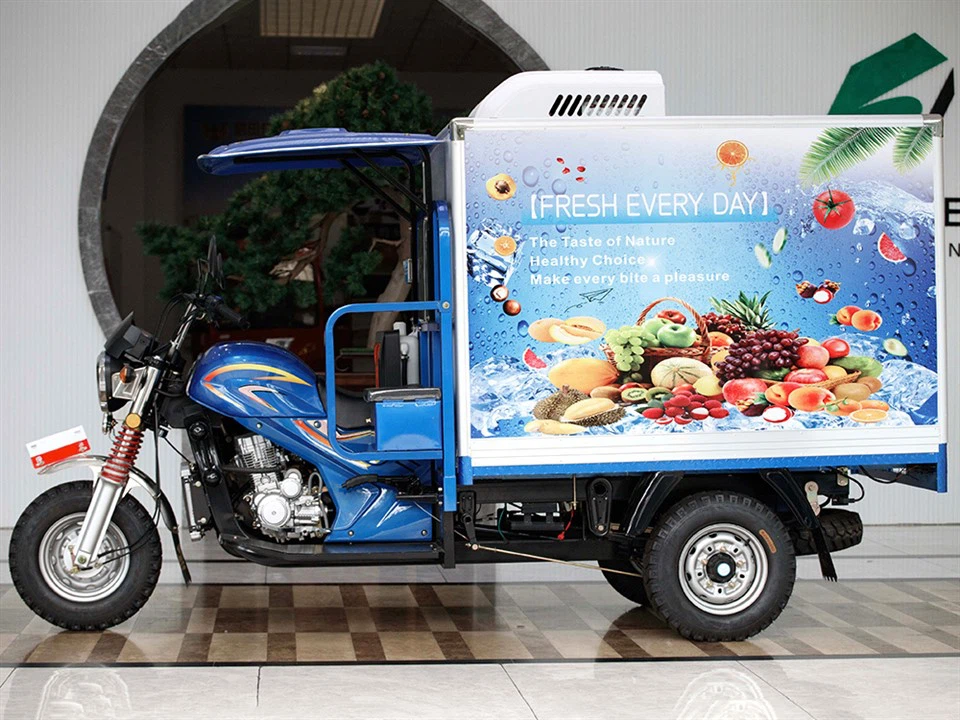
The Electric Refrigerated Three - wheeled Truck is great for collecting food waste or other perishable items. It uses electricity, which can be more cost - effective than traditional fuel in the long run, especially with the rising cost of gasoline.
The Fully Enclosed Tricycle is another option for small - scale sanitation work. It's affordable, easy to maneuver, and can be used in areas where larger vehicles can't reach.
When considering these specialized vehicles, think about your specific needs. If you need to cover a small area quickly, the community patrol motorcycle could be a great choice. For food waste collection, the electric refrigerated three - wheeled truck might be the way to go.
Factors Affecting Cost - Effectiveness
There are several factors that can affect the cost - effectiveness of sanitation vehicles. Fuel efficiency is a big one. Vehicles that use less fuel will save you money over time, especially if they're used frequently. Maintenance costs also play a crucial role. Vehicles that are easy to maintain and have readily available parts will be more cost - effective in the long run.
The lifespan of the vehicle is another important factor. A well - built vehicle that lasts for many years will be more cost - effective than one that needs to be replaced every few years. And don't forget about labor costs. Vehicles that are easy to operate and require less labor will also contribute to overall cost - effectiveness.
Making the Right Decision
So, how do you choose the most cost - effective sanitation vehicle for your needs? First, assess your specific requirements. Consider the type of waste you'll be collecting, the area you'll be serving, and your budget. Then, compare the different types of vehicles based on the factors we've discussed, such as upfront cost, fuel efficiency, maintenance costs, and lifespan.
It's also a good idea to talk to other sanitation companies or municipalities that use the vehicles you're considering. They can give you real - world feedback on how well the vehicles perform and what the actual costs are.
As a sanitation vehicle supplier, I'm here to help you make the right decision. We offer a wide range of sanitation vehicles, from garbage trucks to specialized tricycles. Our team can provide you with detailed information about each vehicle and help you calculate the long - term costs.
If you're interested in learning more about our sanitation vehicles or want to discuss your specific needs, don't hesitate to reach out. We're ready to have a conversation with you and help you find the most cost - effective solution for your sanitation needs.
References
- "Sanitation Vehicle Technology and Operations" - A comprehensive guide on different types of sanitation vehicles and their operations.
- Industry reports on the cost trends of sanitation vehicles over the past decade.