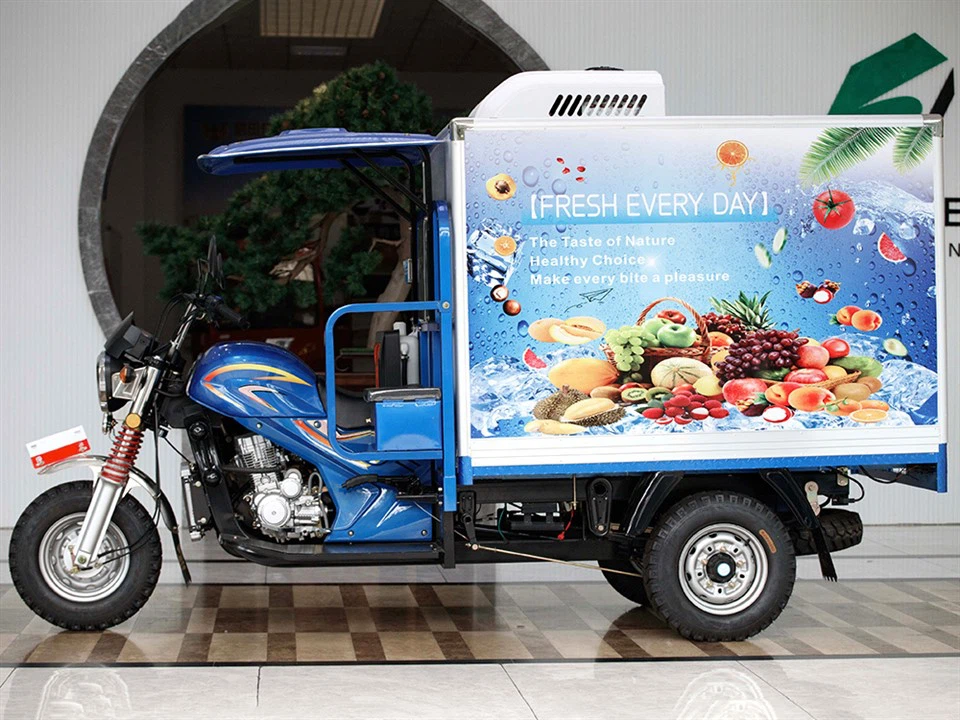
Running a Trike Food Cart business can be an exciting and rewarding venture, but it's not without its fair share of challenges. As a Trike Food Cart supplier, I've seen firsthand the hurdles that entrepreneurs in this industry face on a daily basis. In this blog post, I'll share some of the most common challenges and offer some insights on how to overcome them.
1. Location, Location, Location
One of the biggest challenges of running a Trike Food Cart business is finding the right location. You need to be in a place where there's a high volume of foot traffic, but also where you're allowed to operate. Many cities and towns have strict regulations about where food carts can park and sell their wares. You might have to deal with permits, zoning laws, and even competition from other food vendors in the area.
For example, if you set up shop near a busy office building, you'll have a steady stream of customers during lunchtime. But you might face stiff competition from other food carts and nearby restaurants. On the other hand, if you choose a location in a park or a tourist area, you'll attract a different type of customer, but you might have to deal with seasonal fluctuations in business.
To overcome this challenge, do your research. Look into the local regulations and find out where the best spots are for food carts. Talk to other food cart owners in the area and get their advice. You might also want to consider partnering with local businesses or events to increase your visibility and customer base.
2. Weather Woes
The weather can have a huge impact on your Trike Food Cart business. Rain, snow, extreme heat, or cold can all drive customers away. If it's too hot, people might not want to stand in line for food. If it's too cold, they might prefer to eat indoors. And if it's raining or snowing, well, you can forget about it.
I've seen many food cart owners struggle during the winter months, when business slows down significantly. Some even have to shut down their carts for a few months until the weather improves. To mitigate the effects of the weather, consider investing in a Fully Enclosed Tricycle. This will protect you and your customers from the elements and allow you to operate in a wider range of weather conditions.
You can also adjust your menu based on the season. In the summer, offer refreshing drinks and cold snacks. In the winter, serve hot soups and warm beverages. This will help you attract customers regardless of the weather.


3. Equipment and Maintenance
Running a Trike Food Cart requires a lot of equipment, from grills and fryers to refrigerators and cash registers. All of this equipment needs to be in good working order to ensure that you can serve your customers efficiently and safely. But equipment breakdowns are inevitable, and they can be costly and time-consuming to fix.
Regular maintenance is key to preventing equipment failures. Make sure you have a maintenance schedule in place and stick to it. Clean your equipment regularly, check for any signs of wear and tear, and replace any parts that are starting to fail. It's also a good idea to have a backup plan in case something goes wrong. For example, keep a spare grill or fryer on hand so that you can continue to serve your customers if one of your main pieces of equipment breaks down.
Another challenge related to equipment is storage. Trike Food Carts have limited space, so you need to be strategic about how you store your equipment and supplies. Make sure you have enough room for everything, but also that you can access it easily.
4. Food Safety and Sanitation
Food safety is of utmost importance in the food industry, and running a Trike Food Cart is no exception. You need to ensure that your food is prepared, stored, and served in a safe and hygienic manner. This means following strict food safety guidelines, such as keeping your food at the correct temperature, washing your hands regularly, and using clean utensils and equipment.
Many health departments have strict regulations regarding food safety and sanitation for food carts. You'll need to obtain the necessary permits and inspections to operate legally. Failure to comply with these regulations can result in fines, closures, and damage to your reputation.
To maintain high standards of food safety and sanitation, invest in proper Sanitation Vehicles and cleaning supplies. Train your staff on food safety best practices and make sure they follow them at all times. Keep a clean and organized workspace, and regularly sanitize your equipment and surfaces.
5. Marketing and Branding
In a competitive market, it's important to stand out from the crowd. Marketing and branding are essential for attracting customers to your Trike Food Cart. You need to have a unique selling proposition (USP) that sets you apart from other food vendors in the area. This could be your menu, your pricing, your customer service, or your location.
Social media is a powerful tool for marketing your food cart. Create a Facebook page, an Instagram account, and a Twitter profile, and use them to promote your business, share your menu, and engage with your customers. You can also offer special promotions and discounts to attract new customers and keep your existing ones coming back.
Another effective marketing strategy is to participate in local events and festivals. This will give you the opportunity to showcase your food to a large audience and build brand awareness. You can also partner with other local businesses to cross-promote each other's products and services.
6. Staffing and Training
If you're planning to expand your Trike Food Cart business, you'll need to hire staff. Finding reliable and skilled employees can be a challenge, especially in the food industry. You need to find people who are passionate about food, have good customer service skills, and are willing to work hard.
Once you've hired your staff, you need to train them properly. Make sure they understand your menu, your food safety and sanitation procedures, and your customer service standards. Provide them with ongoing training and support to help them improve their skills and performance.
Managing a team can also be challenging, especially when you're running a small business. You need to be able to communicate effectively with your staff, delegate tasks, and resolve any conflicts that arise. It's important to create a positive work environment where your staff feels valued and motivated.
7. Financial Management
Running a Trike Food Cart business requires careful financial management. You need to keep track of your expenses, such as food costs, equipment purchases, and marketing expenses, and make sure you're making a profit. It's easy to underestimate the costs involved in running a food cart, so it's important to have a detailed budget and to stick to it.
You'll also need to manage your cash flow effectively. Make sure you have enough money on hand to cover your expenses, especially during slow periods. Consider offering different payment options, such as credit cards and mobile payments, to make it easier for your customers to pay.
Another financial challenge is dealing with taxes and regulations. Make sure you understand your tax obligations and file your returns on time. You might also need to obtain business insurance to protect your assets and your business from potential risks.
Conclusion
Running a Trike Food Cart business is not without its challenges, but with the right strategies and a lot of hard work, it can be a successful and rewarding venture. By addressing the challenges of location, weather, equipment, food safety, marketing, staffing, and financial management, you can increase your chances of success.
If you're interested in starting a Trike Food Cart business or are looking to upgrade your existing cart, I'd love to talk to you. As a Trike Food Cart supplier, I have the expertise and the products to help you get started or take your business to the next level. Feel free to reach out to me for more information and to discuss your specific needs. Let's work together to make your Trike Food Cart business a success!
References
- Food Truck Empire. (n.d.). The Ultimate Guide to Starting a Food Truck Business.
- National Restaurant Association. (n.d.). Food Safety and Sanitation Guidelines.
- Small Business Administration. (n.d.). Managing Your Finances.