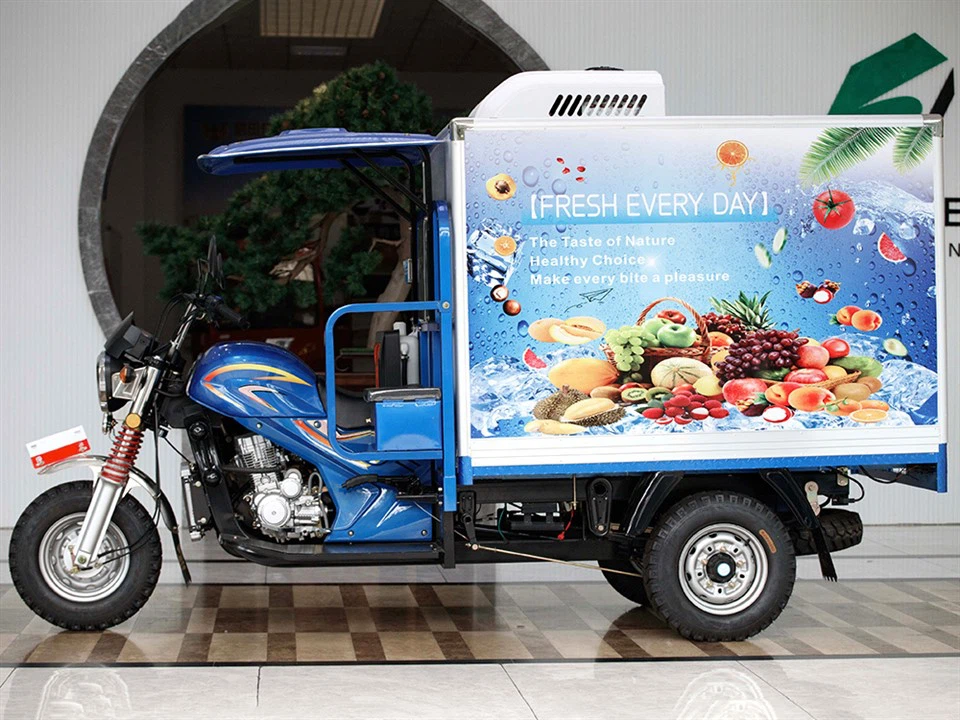
Sanitation vehicles play a crucial role in maintaining the cleanliness and hygiene of our cities and towns. With the advancement of technology, many aspects of these vehicles have been improved, and one question that often comes up is whether sanitation vehicles have GPS tracking systems. As a supplier of sanitation vehicles, I'd like to delve into this topic to provide a comprehensive understanding.
The Need for GPS Tracking in Sanitation Vehicles
In the sanitation industry, efficiency and accountability are key. GPS tracking systems offer a multitude of benefits that can significantly enhance the operations of sanitation vehicles. Firstly, they provide real - time location information. This allows supervisors to monitor the exact position of each vehicle at any given time. For example, if there is an urgent need to redirect a garbage collection truck to a specific area due to an unexpected waste spill, the supervisor can quickly identify the nearest available vehicle using the GPS data.
Secondly, GPS tracking helps in optimizing routes. By analyzing historical data on traffic patterns and collection times, the system can suggest the most efficient routes for sanitation vehicles. This not only saves time but also reduces fuel consumption. In a world where environmental concerns are at the forefront, reducing fuel usage is not only cost - effective but also a step towards a greener future.
Another important aspect is accountability. GPS tracking systems can record the start and end times of each trip, as well as the stops made along the way. This data can be used to ensure that drivers are following their schedules and completing their assigned tasks. It also provides evidence in case of any disputes regarding the performance of the drivers.
Types of Sanitation Vehicles and GPS Usage
There are various types of sanitation vehicles, each with its own specific requirements. For instance, Garbage Collection Tricycle are often used in narrow alleys and residential areas. These tricycles can benefit greatly from GPS tracking. The small size of these vehicles allows for more flexibility in navigating through tight spaces, but it also makes it easier for them to get off - route. With a GPS system, supervisors can ensure that these tricycles are covering their designated areas and not deviating from their paths.
Larger sanitation trucks, such as those used for bulk waste collection, also rely on GPS tracking. These trucks often have fixed routes that cover large areas. The GPS system can help in coordinating multiple trucks in a fleet, ensuring that they do not overlap in their collection areas and that all areas are covered efficiently.
Postal Trike can also be considered a part of the sanitation ecosystem, especially when they are used for collecting recyclable materials. Similar to garbage collection tricycles, postal trikes can use GPS tracking to optimize their collection routes and ensure that they are making timely pick - ups.
Implementation of GPS Tracking Systems
Implementing a GPS tracking system in sanitation vehicles is a multi - step process. First, the appropriate GPS device needs to be selected. There are many different types of GPS devices available on the market, ranging from simple plug - and - play models to more advanced systems that can integrate with other software applications.
Once the device is selected, it needs to be installed in the vehicle. This usually involves connecting the device to the vehicle's power supply and ensuring that it has a clear line of sight to the sky for accurate GPS reception.
After installation, the system needs to be configured. This includes setting up the tracking parameters, such as the frequency of location updates and the geofencing areas. Geofencing is a useful feature that allows supervisors to define specific areas on a map. If a vehicle enters or leaves a geofenced area, an alert can be sent to the supervisor.
Challenges and Solutions
While GPS tracking systems offer many benefits, there are also some challenges associated with their use in sanitation vehicles. One of the main challenges is the harsh operating environment. Sanitation vehicles are often exposed to dirt, dust, and moisture, which can damage the GPS devices. To overcome this, ruggedized GPS devices can be used. These devices are designed to withstand harsh conditions and are more reliable in the long run.
Another challenge is the cost of implementing and maintaining the GPS tracking system. However, the long - term benefits, such as reduced fuel costs and increased efficiency, often outweigh the initial investment. Additionally, some GPS tracking system providers offer subscription - based models, which can make the cost more manageable for sanitation vehicle operators.
Conclusion
In conclusion, GPS tracking systems are a valuable addition to sanitation vehicles. They offer numerous benefits in terms of efficiency, route optimization, and accountability. Whether it's a Garbage Collection Tricycle, a large sanitation truck, or a Postal Trike, GPS tracking can enhance the performance of these vehicles and improve the overall sanitation operations.


If you are in the market for sanitation vehicles and are interested in the benefits of GPS tracking, we are here to help. Our company offers a wide range of sanitation vehicles, including Fully Enclosed Tricycle, with the option to install high - quality GPS tracking systems. Contact us to discuss your specific requirements and let us help you find the perfect solution for your sanitation needs.
References
- Smith, J. (2020). The Impact of GPS Technology on Fleet Management in the Sanitation Industry. Journal of Urban Sanitation, 15(2), 45 - 52.
- Johnson, A. (2019). Optimizing Sanitation Vehicle Routes with GPS Tracking. International Journal of Waste Management, 22(3), 78 - 85.