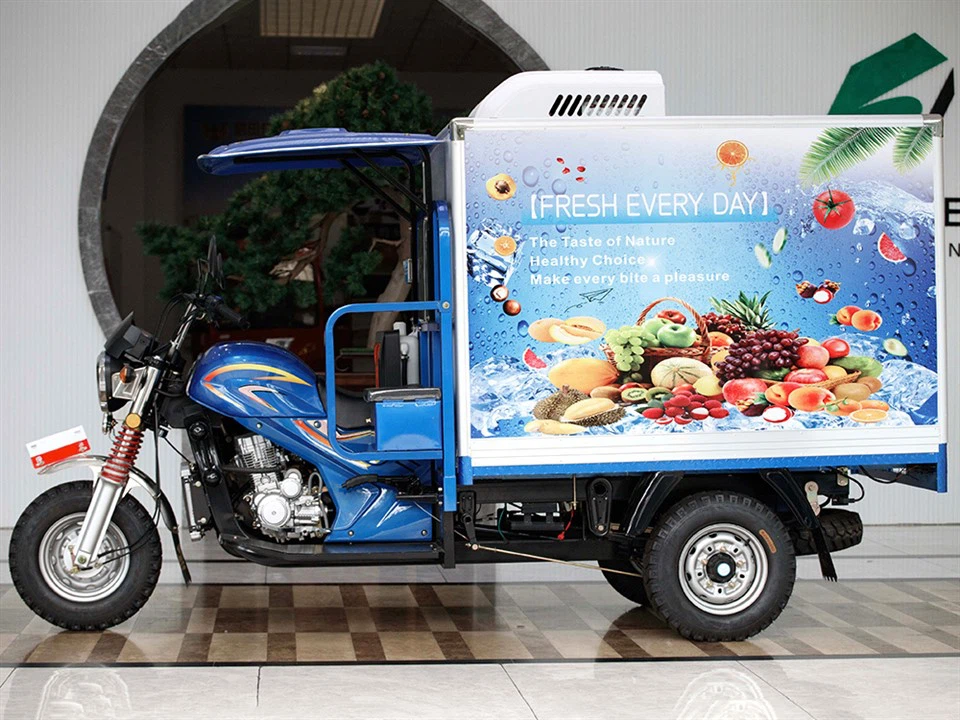
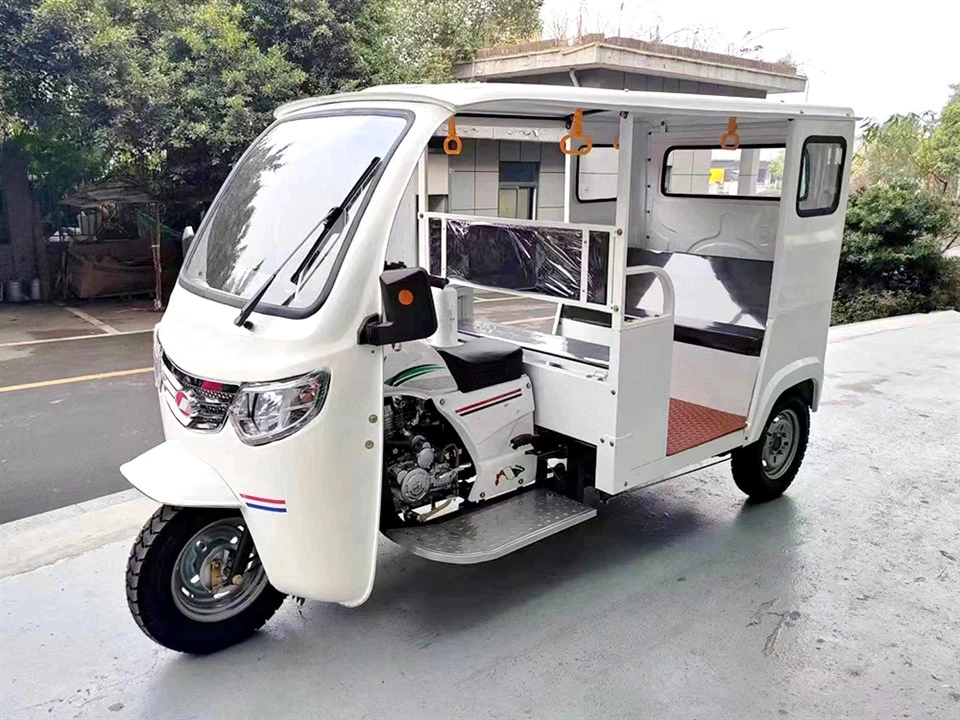
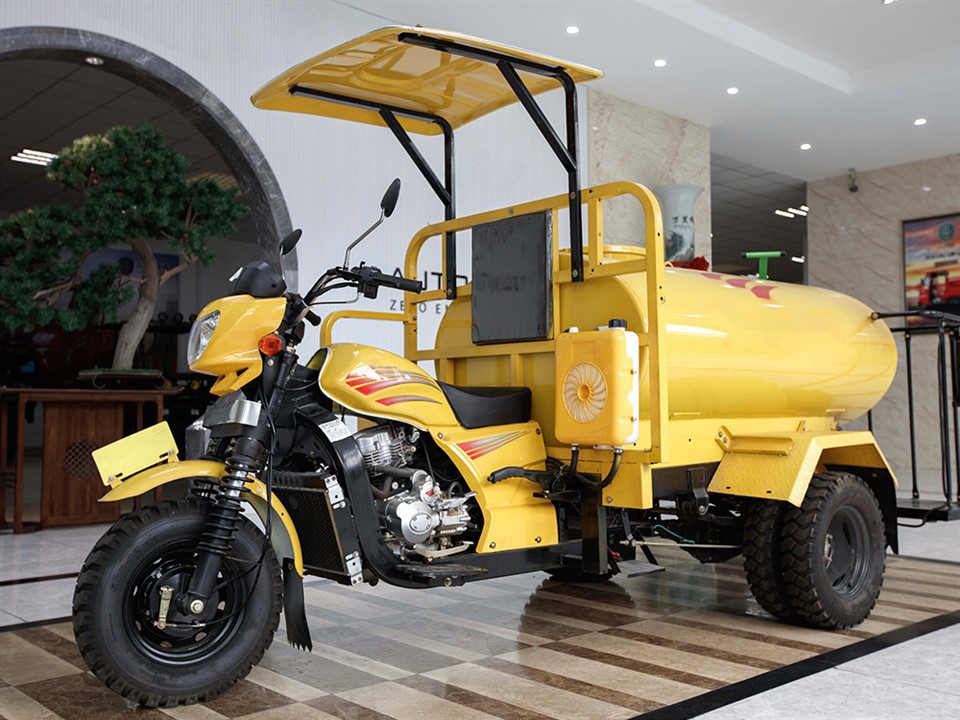
In many parts of Africa, access to emergency medical services remains a significant challenge due to inadequate infrastructure, traffic congestion, narrow roads, and the high maintenance costs of traditional ambulances. To address these issues, ambulance tricycles have emerged as a practical and innovative solution, offering numerous advantages particularly suited to the African context. These multi-functional vehicles deliver critical emergency medical services to communities, especially in densely populated urban areas and remote rural regions.
First, ambulance tricycles demonstrate exceptional terrain adaptability. Unlike standard four-wheeled ambulances, which may struggle on unpaved roads, muddy paths, or congested market streets, tricycles offer superior maneuverability in tight spaces and on uneven surfaces. Their lightweight design allows paramedics to quickly navigate through traffic-congested or crowded residential areas, significantly reducing valuable response time. In fact, studies analyzing service response have shown that tricycles reach emergency scenes much faster in congested urban centers because they can bypass congested areas.
An equally crucial advantage is their cost-effectiveness. Traditional ambulances incur significant costs in terms of purchase, fuel, and maintenance-costs that are prohibitive for resource-constrained healthcare systems. Ambulance tricycles, typically powered by human-powered pedals and gasoline engines, offer a more cost-effective alternative. Their initial purchase price is usually a fraction of that of a motorized ambulance, ensuring medical teams can cover a wider geographic area within the same budget. This allows more healthcare facilities, particularly in underserved areas and remote rural communities, to have emergency response vehicles without impacting the allocation of other vital medical resources.
Furthermore, ambulance tricycles expand the geographic reach and accessibility of healthcare systems. They operate effectively on virtually no paved roads, enabling them to navigate narrow community streets, trails, or rural roads inaccessible to four-wheeled ambulances. This ensures that people living in remote areas-including refugee camps, mountain villages, or densely populated informal settlements (slums)-have access to potentially life-saving transportation during healthcare crises.
This service also facilitates deeper integration into local communities. Recruiting tricycle-mounted medical personnel from communities ensures they have a deep understanding of local geography and culture, enabling better coordination with residents in emergencies. Furthermore, the tricycles' design allows for the transport and installation of critical medical equipment such as oxygen tanks, IV sets, and wound care kits, allowing community medical personnel to initiate vital life-sustaining interventions on-site while en route to larger clinics or hospitals-crucial in time-sensitive situations.
Finally, ambulance tricycles embody environmental sustainability. Compared to gasoline-powered ambulances, they have significantly lower carbon emissions, especially when primarily powered by renewable pedal power. On a climate-challenged continent, a smaller carbon footprint is crucial for building a more equitable and environmentally friendly healthcare system.
In conclusion, ambulance tricycles offer Africa an innovative pathway to enhance accessibility to much-needed emergency medical services. Their combination of affordable pricing and unparalleled navigational flexibility in confined environments promises to significantly improve life expectancy and public health across diverse contexts. Expanding the deployment of ambulance tricycles is a key strategy for strengthening and sustaining a resilient emergency medical service system across the continent.