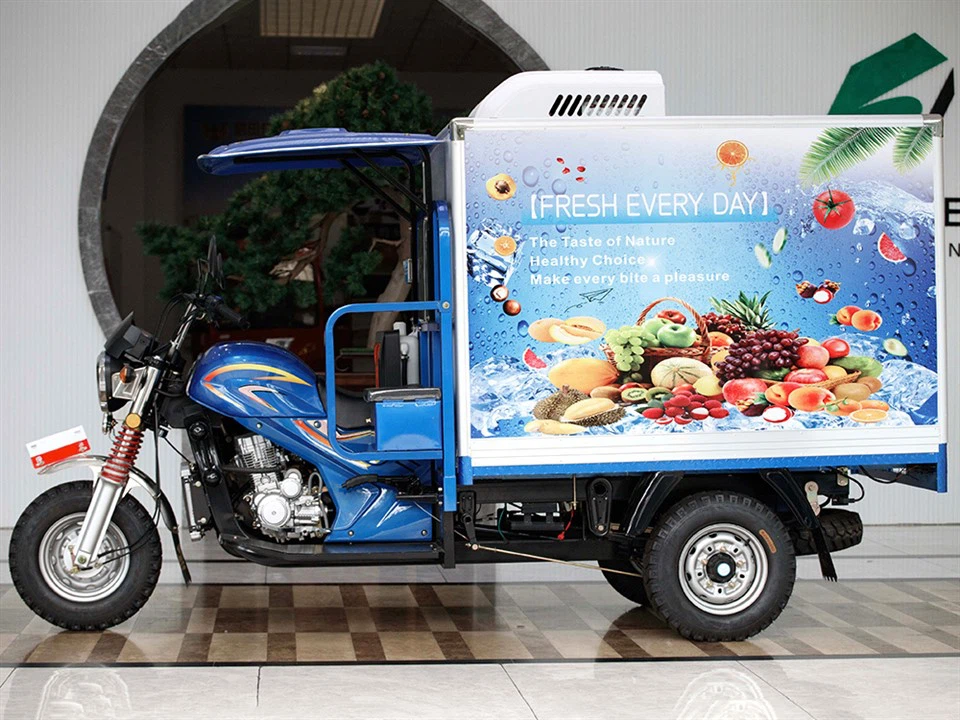
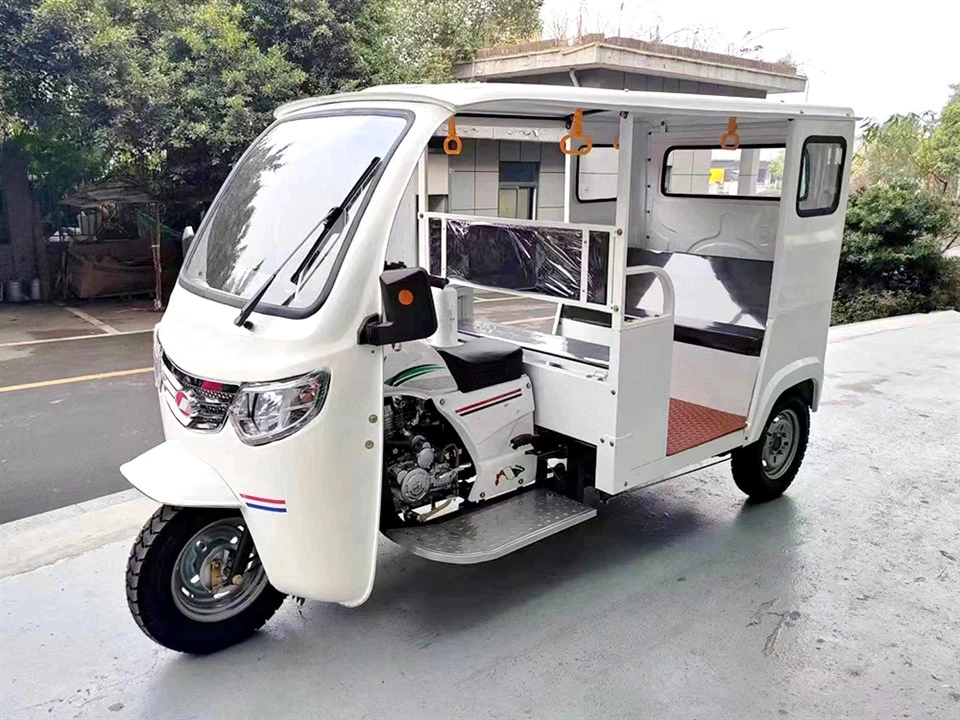
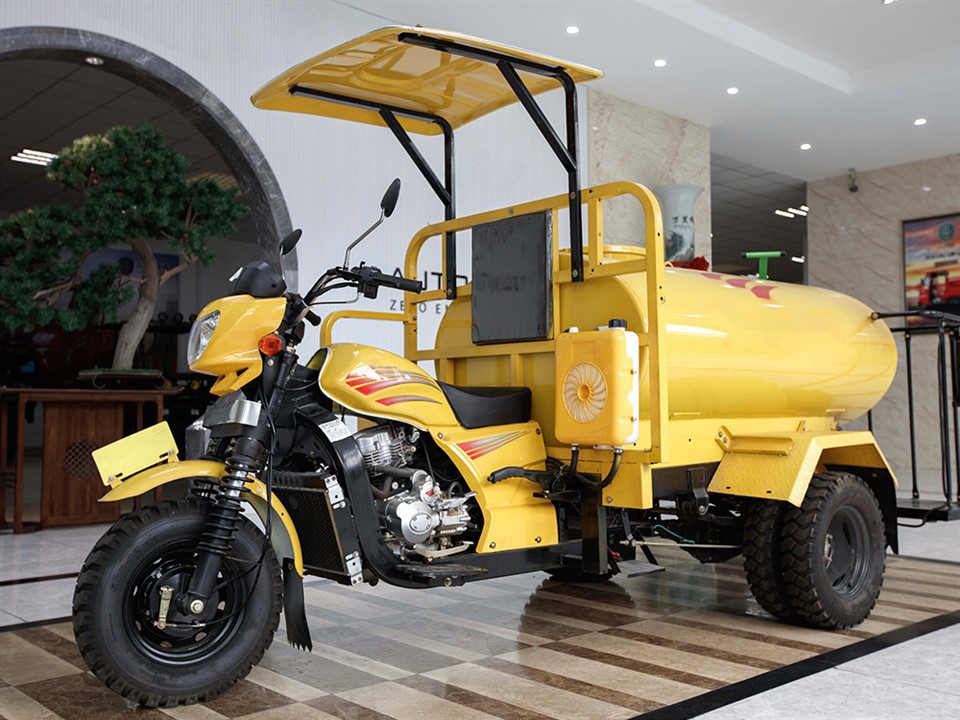
At five o'clock in the morning, the city has not yet woken up, but the hum of the motor of the electric tricycle has already sounded at the entrance of the vegetable market, express delivery station and community. A counterintuitive phenomenon is happening: when the penetration rate of new energy vehicles exceeds 40%, the seemingly "outdated" three-wheeled electric vehicles (front-rear two-wheeled layout) continue to sell well in urban and rural markets, and even squeeze the living space of low-speed four-wheeled vehicles in reverse. This is not a retrogression in consumption degradation, but an accurate match between mobile efficiency and survival wisdom.
First, cost is not an advantage, "low-cost trial and error" is. The price difference between a three-wheeled vehicle and a low-speed four-wheeled vehicle is often more than 10,000 yuan, but this is not the core barrier. The key lies in the threshold of obtaining the right to use. A licensed electric tricycle usually only needs a motorcycle driver's license (D certificate) or is managed as a non-motor vehicle under the framework of the new national standard; Once the four-wheeled electric vehicle is included in motor vehicle management, it will immediately face systematic costs such as C-photo, traffic insurance and annual inspection. For township users over the age of 60, the difficulty and cost of obtaining C certificate constitute a "no access" in essence. Three wheels provide not cheap, but the freedom to move legally in the regulatory gray zone.
When community group buying, instant delivery and mobile vendors become the livelihood of hundreds of millions of people, the role of vehicles has changed from "carrying people" to "carrying goods+mobile booths". The natural advantages of the regular triangle structure are highlighted here: the lateral stability provided by the rear two wheels is enough to carry 300-500 kilograms of goods, the open cargo hopper is more suitable for irregular items such as fruits and vegetables and express boxes than the closed compartment, and the body width of 1.2 meters allows serpentine shuttle between market stalls, which is a "space folding" stunt that any four-wheeled vehicle can't complete.
Therefore, the popularity of electric tricycles is not a betrayal of the automobile industry, but the necessity of urban ecological decentralization. When megacities are stuck in congestion, the third-and fourth-tier cities and the urban-rural fringe are relying on these "steel beetles" to build an efficient microcirculation system. They carry not passengers, but the livelihood and independence of countless individuals. Before the policy makers struggled with "how to ban", the market had voted with two feet: in the face of survival efficiency, four wheels are sometimes a luxury, while three wheels are just right.