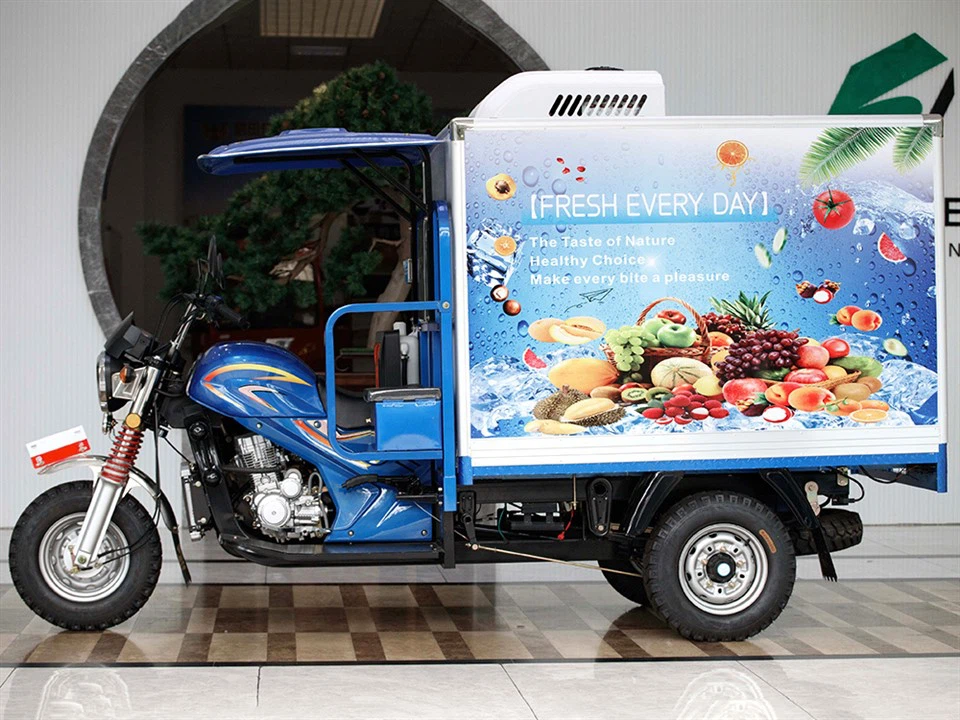
Hey there! As a supplier of Windshield Tricycles, I get asked a lot of questions about our products. One question that comes up quite often is, "What is the thickness of a typical tricycle windshield?" Well, let's dive into that topic right now.
First off, it's important to understand that the thickness of a tricycle windshield can vary depending on several factors. These factors include the type of tricycle, its intended use, and the materials used in the windshield's construction.
Types of Tricycles and Their Impact on Windshield Thickness
There are different types of tricycles out there, each with its own unique requirements. For example, Gasoline Heavy Tricycle is built for heavy - duty work. These tricycles often operate in rough environments, where the windshield is more likely to face impacts from debris, stones, or other objects. As a result, the windshields for these tricycles need to be thicker and more durable. A typical thickness for the windshield of a gasoline heavy tricycle could range from 4mm to 6mm. This extra thickness provides better protection against impacts and ensures that the windshield can withstand the rigors of heavy - duty use.


On the other hand, Farm Tricycle and Agricultural Tricycle are mainly used in agricultural settings. While they also need protection, the level of impact they might face is generally less severe compared to heavy - duty tricycles. So, the windshields for farm and agricultural tricycles can be a bit thinner. Usually, their windshields have a thickness of around 3mm to 4mm. This thickness is still sufficient to protect the rider from wind, dust, and small debris commonly found in farm environments.
Materials Used in Tricycle Windshields
The materials used to make the windshield also play a significant role in determining its thickness. The most common materials for tricycle windshields are polycarbonate and glass.
Polycarbonate is a popular choice because it is lightweight, shatter - resistant, and relatively easy to shape. It can be made in various thicknesses to suit different needs. For tricycles that require a high level of impact resistance, like heavy - duty tricycles, a thicker polycarbonate windshield (around 5mm - 6mm) might be used. For less demanding applications, such as farm tricycles, a 3mm - 4mm polycarbonate windshield can work just fine.
Glass, on the other hand, is more rigid and offers better optical clarity. However, it is also more brittle compared to polycarbonate. When using glass for tricycle windshields, the thickness needs to be carefully considered. For general - purpose tricycles, a glass windshield with a thickness of 4mm is often used. But for heavy - duty tricycles, where the risk of impact is higher, a laminated glass windshield with a combined thickness of 6mm or more might be necessary. Laminated glass consists of two or more layers of glass with a plastic interlayer in between, which helps to hold the glass together in case of breakage.
Other Considerations
In addition to the type of tricycle and the material used, there are other factors that can influence the choice of windshield thickness. For example, local regulations might specify a minimum thickness for tricycle windshields to ensure the safety of the rider. Also, the design of the tricycle itself can affect the windshield thickness. If the tricycle has a frame that provides good support for the windshield, a slightly thinner windshield might be sufficient.
Another aspect to consider is the cost. Thicker windshields generally cost more due to the additional material and manufacturing processes involved. So, when choosing the thickness of a tricycle windshield, a balance needs to be struck between the level of protection required and the cost.
Why Choose Our Windshield Tricycles
As a supplier of Windshield Tricycles, we take all these factors into account when designing and manufacturing our products. We offer a wide range of tricycles with windshields of different thicknesses to meet the diverse needs of our customers. Whether you need a heavy - duty tricycle for industrial use or a farm tricycle for agricultural work, we have the right product for you.
Our windshields are made from high - quality materials and are rigorously tested to ensure they meet the highest standards of safety and durability. We understand that the thickness of the windshield is crucial for your safety and comfort, and we make sure that each windshield is carefully selected or customized to suit the specific requirements of the tricycle.
Let's Talk
If you're in the market for a tricycle with a windshield, I'd love to hear from you. Whether you have questions about the thickness of the windshield, the type of tricycle that's best for you, or anything else related to our products, don't hesitate to reach out. We're here to help you make the right choice and get the tricycle that meets your needs.
References
- "Materials in Vehicle Engineering" - A textbook on automotive materials that provides insights into the properties of polycarbonate and glass used in windshields.
- Industry standards and regulations related to tricycle safety and windshield design.