As a supplier of construction trikes, I've had numerous inquiries about the starting mechanism of these essential workhorses in the construction industry. Understanding how a construction trike starts is crucial for operators, maintenance personnel, and even potential buyers. In this blog post, I'll delve into the details of the starting mechanism of a construction trike, exploring the components involved, the process itself, and some key considerations.
Components of the Starting Mechanism
The starting mechanism of a construction trike consists of several key components that work together to initiate the engine's operation. These components include the battery, starter motor, ignition switch, solenoid, and the engine's flywheel.
- Battery: The battery is the power source for the starting system. It stores electrical energy and provides the necessary power to crank the engine. A typical construction trike battery is a 12-volt lead-acid battery, which is capable of delivering a high amount of current for a short period of time.
- Starter Motor: The starter motor is an electric motor that converts electrical energy from the battery into mechanical energy. When the ignition switch is turned to the "start" position, the starter motor engages with the engine's flywheel and rotates it, causing the engine to start.
- Ignition Switch: The ignition switch is a key-operated switch that controls the flow of electrical current to the starter motor and other electrical components in the trike. When the key is turned to the "start" position, it completes the electrical circuit between the battery and the starter motor, allowing the motor to engage.
- Solenoid: The solenoid is an electromagnetic switch that acts as a relay between the ignition switch and the starter motor. When the ignition switch is turned to the "start" position, the solenoid receives a small electrical current from the ignition switch, which activates an electromagnet. The electromagnet then pulls a plunger, which closes a set of contacts, allowing a large electrical current to flow from the battery to the starter motor.
- Flywheel: The flywheel is a large, heavy wheel that is attached to the engine's crankshaft. It stores rotational energy and helps to maintain the engine's momentum during the starting process. When the starter motor engages with the flywheel, it rotates the flywheel, which in turn rotates the engine's crankshaft, causing the engine to start.
The Starting Process
Now that we've discussed the components of the starting mechanism, let's take a closer look at the starting process itself. The starting process can be divided into several steps:
- Turn the Ignition Key: The first step in starting a construction trike is to turn the ignition key to the "on" position. This activates the electrical system in the trike and allows the battery to supply power to the ignition switch and other electrical components.
- Check the Instruments: Before starting the engine, it's important to check the instruments on the dashboard to ensure that everything is in order. This includes checking the fuel gauge, oil pressure gauge, and battery indicator.
- Press the Starter Button: Once you've checked the instruments, you can press the starter button on the dashboard or handlebars. This sends a signal to the solenoid, which activates the starter motor.
- Engage the Starter Motor: When the starter motor is activated, it engages with the engine's flywheel and rotates it. This causes the engine's crankshaft to rotate, which in turn starts the engine.
- Release the Starter Button: Once the engine has started, you can release the starter button. The starter motor will disengage from the flywheel, and the engine will continue to run on its own.
Key Considerations
While the starting process of a construction trike is relatively straightforward, there are a few key considerations that you should keep in mind to ensure a smooth and reliable start.
- Battery Maintenance: The battery is a critical component of the starting system, so it's important to keep it in good condition. This includes checking the battery's electrolyte level regularly, cleaning the battery terminals, and ensuring that the battery is properly charged.
- Starter Motor Maintenance: The starter motor is another important component of the starting system, and it's important to keep it in good condition as well. This includes checking the starter motor's brushes and bearings regularly, and replacing them if necessary.
- Ignition System Maintenance: The ignition system is responsible for providing the spark that ignites the fuel in the engine, so it's important to keep it in good condition. This includes checking the spark plugs, ignition coils, and ignition wires regularly, and replacing them if necessary.
- Cold Weather Starting: Starting a construction trike in cold weather can be more challenging than starting it in warm weather. This is because the battery's performance is reduced in cold temperatures, and the engine's oil is thicker, which makes it more difficult to turn the engine over. To make cold weather starting easier, you can use a block heater to warm up the engine before starting it, or you can use a battery charger to keep the battery fully charged.
Different Types of Construction Trikes and Their Starting Mechanisms
Construction trikes come in various types, each designed for specific applications. Some common types include Windshield Tricycle, Agricultural Tricycle, and Delivery Tricycle. While the basic starting mechanism remains the same for most construction trikes, there may be some minor differences depending on the type and model.
- Windshield Tricycle: Windshield tricycles are often used in urban construction sites or for short-distance transportation. They may have a more compact design and a slightly different electrical system. However, the starting process is still similar, with the key components working together to initiate the engine.
- Agricultural Tricycle: Agricultural tricycles are designed for use in farms and rural areas. They may be equipped with more powerful engines and larger batteries to handle the demanding work conditions. The starting mechanism of an agricultural tricycle is generally robust and reliable, ensuring that the engine can start easily even in rough environments.
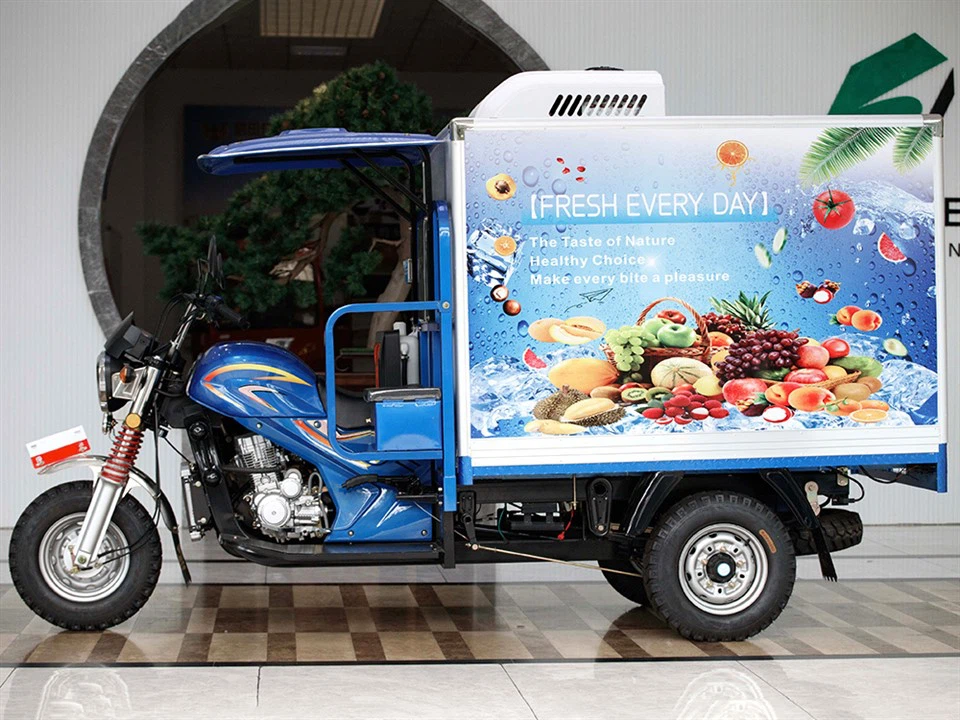
- Delivery Tricycle: Delivery tricycles are commonly used for transporting goods in urban areas. They are often powered by gasoline engines and may have a simple and efficient starting mechanism. The starting process is quick and easy, allowing delivery drivers to get on the road quickly.
Conclusion
In conclusion, the starting mechanism of a construction trike is a complex system that involves several key components working together to initiate the engine's operation. By understanding the components of the starting mechanism and the starting process itself, you can ensure a smooth and reliable start every time. Additionally, by following the key considerations outlined in this blog post, you can maintain the starting system in good condition and prevent any potential problems.
If you're in the market for a construction trike or have any questions about our products, I encourage you to reach out to us for a consultation. We're a leading supplier of high-quality construction trikes, and we're committed to providing our customers with the best products and services. Whether you need a Windshield Tricycle, an Agricultural Tricycle, or a Delivery Tricycle, we have the perfect solution for your needs. Contact us today to learn more and start your journey towards a more efficient and productive construction operation.


References
- Automotive Engineering Handbook, various editions
- Construction Equipment Maintenance Manuals
- Tricycle Manufacturer's Technical Documentation