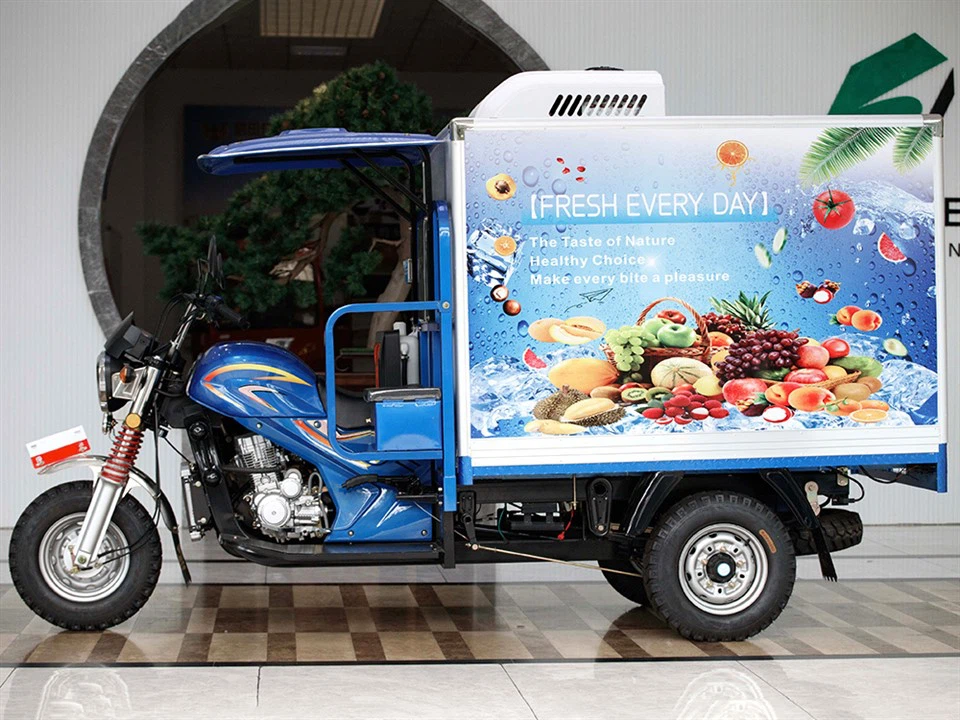
As a supplier of construction trikes, I've received numerous inquiries about the stability of these vehicles on slopes. This is a critical concern, especially for construction sites with uneven terrains. In this blog, I'll delve into the factors that affect the stability of a construction trike on slopes and why our products stand out in this regard.
Understanding the Basics of Trike Stability
Before we discuss slopes, it's essential to understand the basic principles of trike stability. A trike's stability is primarily determined by its center of gravity, wheelbase, and the distribution of weight. The center of gravity is the point where the entire weight of the trike is considered to act. A lower center of gravity generally means better stability. The wheelbase, which is the distance between the front and rear axles, also plays a crucial role. A longer wheelbase provides more stability as it gives the trike a wider base of support.
Factors Affecting Stability on Slopes
Center of Gravity
On slopes, the position of the center of gravity becomes even more critical. When a trike is on an incline, the center of gravity shifts forward. If the center of gravity moves too far forward, it can cause the trike to tip over. Our construction trikes are designed with a low and balanced center of gravity to minimize this risk. For example, the batteries and heavy components are placed as close to the ground as possible, ensuring that the trike remains stable even on steep slopes.
Weight Distribution
Proper weight distribution is also vital for stability on slopes. If the load on the trike is not evenly distributed, it can cause the trike to become unstable. Our trikes are equipped with well-designed cargo areas that allow for even weight distribution. The cargo area is designed to keep the load close to the center of the trike, reducing the risk of tipping.


Wheelbase and Track Width
The wheelbase and track width (the distance between the two wheels on the same axle) also affect stability on slopes. A longer wheelbase and wider track width provide more stability by increasing the base of support. Our construction trikes are designed with an optimal wheelbase and track width to ensure maximum stability on slopes.
Our Construction Trikes: Designed for Slope Stability
At our company, we take pride in our commitment to providing high-quality construction trikes that are stable on slopes. Our trikes are built with the latest technology and engineering principles to ensure optimal performance in challenging terrains.
One of our popular models is the Black 150cc Gasoline Tricycle. This trike is powered by a 150cc gasoline engine, providing ample power for climbing slopes. It is also equipped with a low and balanced center of gravity, a long wheelbase, and a wide track width, making it extremely stable on slopes.
Another great option is the 150cc Gasoline Tricycle. This trike offers similar features to the Black 150cc Gasoline Tricycle but comes in a different color and design. It is also designed to be stable on slopes, making it a reliable choice for construction sites.
For those who need protection from the elements, we offer the Windshield Tricycle. This trike is equipped with a windshield that provides protection from wind, rain, and debris. It also has the same stability features as our other models, ensuring a safe and stable ride on slopes.
Safety Features for Slope Riding
In addition to the design features mentioned above, our construction trikes are also equipped with several safety features to ensure a safe ride on slopes. These features include:
- Braking System: Our trikes are equipped with a reliable braking system that provides excellent stopping power. The brakes are designed to work effectively even on slopes, ensuring that the trike can be stopped safely.
- Suspension System: A good suspension system is essential for a smooth and stable ride on uneven terrain. Our trikes are equipped with a high-quality suspension system that absorbs shocks and vibrations, providing a comfortable ride even on rough slopes.
- Tires: The tires on our trikes are designed to provide excellent traction on slopes. They have a deep tread pattern that grips the ground firmly, reducing the risk of slipping.
Conclusion
The stability of a construction trike on slopes is a critical factor that should not be overlooked. Our construction trikes are designed with the latest technology and engineering principles to ensure optimal stability on slopes. With a low and balanced center of gravity, proper weight distribution, and a well-designed wheelbase and track width, our trikes are capable of handling even the most challenging slopes.
If you're in the market for a construction trike that is stable on slopes, look no further. Our trikes are built to last and provide a safe and reliable solution for your construction needs. Contact us today to learn more about our products and to discuss your specific requirements. We look forward to helping you find the perfect construction trike for your business.
References
- "Engineering Principles of Vehicle Stability." Automotive Engineering Handbook.
- "Design Considerations for Construction Equipment on Uneven Terrains." Journal of Construction Engineering and Management.