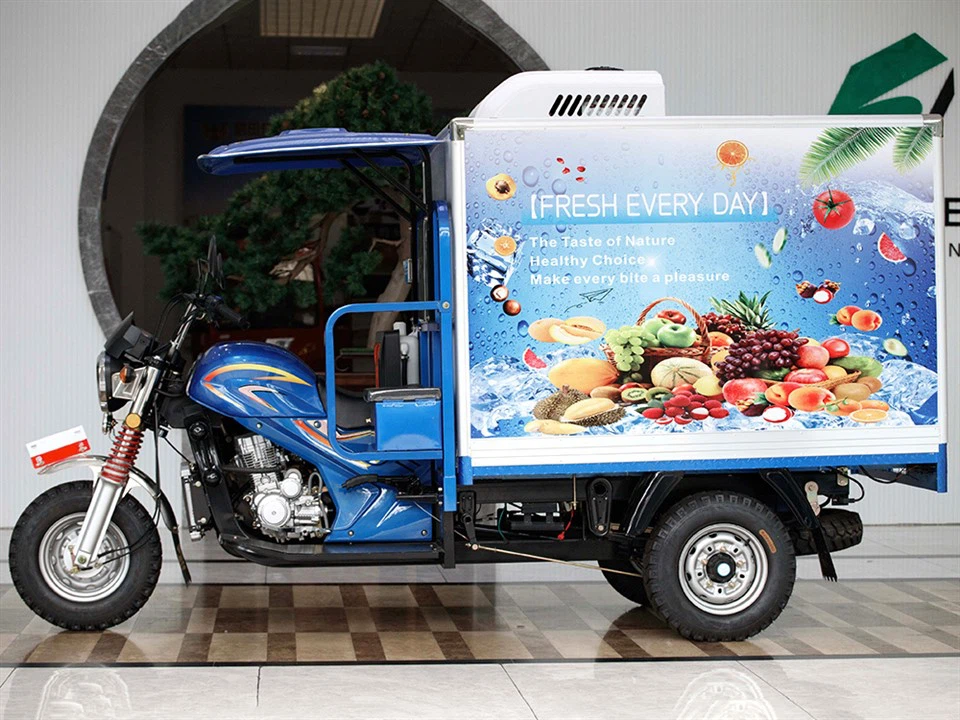
Hey there! As a supplier of delivery tricycles, I often get asked about the power sources for these nifty vehicles. So, I thought I'd break it down for you in this blog post.
Let's start with the most common power sources for delivery tricycles: electric and gas. Each has its own set of pros and cons, and understanding them can help you make the right choice for your delivery needs.
Electric Delivery Tricycles
Electric delivery tricycles have gained a ton of popularity in recent years, and it's not hard to see why. They're clean, quiet, and relatively easy to maintain.
Advantages
- Environmentally Friendly: One of the biggest perks of electric tricycles is that they produce zero emissions. In a world where we're all trying to be more eco - conscious, this is a huge plus. If you're running a delivery business, using electric tricycles can help you reduce your carbon footprint and show your customers that you care about the environment.
- Low Operating Costs: Electricity is generally cheaper than gas. You'll spend less money on fuel, which can add up to significant savings over time, especially if you're making a lot of deliveries. Also, electric motors have fewer moving parts compared to gas engines, which means less wear and tear and lower maintenance costs.
- Quiet Operation: Electric tricycles are almost silent when they're running. This is great if you're making deliveries in residential areas early in the morning or late at night. You won't disturb the neighbors, and it can also make your work more pleasant.
Disadvantages
- Limited Range: The main drawback of electric tricycles is their limited range. Most electric tricycles can travel between 50 - 100 miles on a single charge, depending on the battery capacity and the load. If you need to make long - distance deliveries, you might run into problems.
- Long Charging Times: Charging an electric tricycle can take several hours. This means that if you're in a hurry to get back on the road, you might have to wait. However, some newer models come with fast - charging capabilities, which can reduce the charging time significantly.
If you're interested in an electric delivery tricycle, we have some great options that offer a good balance between range and performance.
Gas Delivery Tricycles
Gas delivery tricycles have been around for a long time and are still a popular choice for many delivery businesses.
Advantages
- Longer Range: Gas tricycles can travel much farther than electric ones on a single tank of gas. This makes them ideal for long - distance deliveries or if you need to cover a large area.
- Quick Refueling: Filling up a gas tank takes just a few minutes, compared to the hours it can take to charge an electric battery. This means you can get back on the road quickly and keep your delivery schedule on track.
Disadvantages
- Environmental Impact: Gas tricycles produce emissions, which contribute to air pollution. If you're concerned about the environment, this might be a deal - breaker.
- Higher Operating Costs: Gas is more expensive than electricity, and gas engines require more maintenance. You'll need to change the oil regularly, replace spark plugs, and perform other maintenance tasks to keep the engine running smoothly.
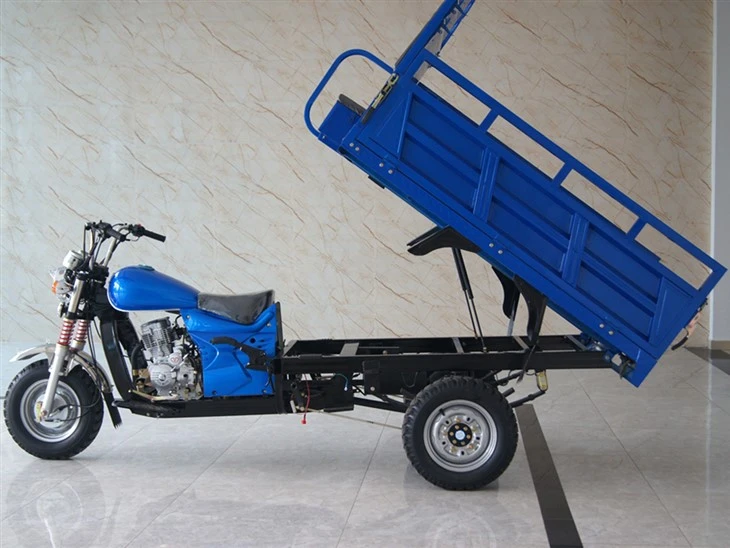
We offer a variety of gas - powered delivery tricycles that are built to last. Check out our Three Wheeled Vehicle With Cargo Hold, Heavy Duty Tricycle, and Farm Tricycle for some great options.
Other Power Sources
There are also some other power sources that are less common but worth mentioning.
Hybrid Delivery Tricycles
Hybrid tricycles combine an electric motor with a gas engine. They offer the best of both worlds: the environmental benefits of an electric motor and the long - range capabilities of a gas engine. When the battery runs low, the gas engine kicks in to keep the tricycle running. However, hybrid tricycles are usually more expensive than electric or gas tricycles.

Solar - Powered Delivery Tricycles
Solar - powered tricycles use solar panels to charge the battery. This is a very eco - friendly option, but the technology is still in its early stages. Solar panels can only generate a limited amount of power, so the range of solar - powered tricycles is currently quite limited.
Choosing the Right Power Source
When choosing a power source for your delivery tricycle, you need to consider several factors:
- Delivery Radius: If you're making short - distance deliveries within a small area, an electric tricycle might be the best choice. But if you need to cover a large area or make long - distance deliveries, a gas or hybrid tricycle would be more suitable.
- Budget: Electric tricycles have lower operating costs, but they can be more expensive to purchase upfront. Gas tricycles are usually cheaper to buy, but the fuel and maintenance costs can add up over time.
- Environmental Concerns: If you're committed to reducing your carbon footprint, an electric or solar - powered tricycle is the way to go.
As a delivery tricycle supplier, I'm here to help you make the right decision. Whether you're looking for an electric, gas, hybrid, or solar - powered tricycle, we have a wide range of options to meet your needs.
If you're interested in learning more about our delivery tricycles or have any questions about power sources, feel free to reach out. We'd love to have a chat with you and discuss how we can help you find the perfect delivery tricycle for your business. Let's start a conversation and see how we can work together to make your delivery operations more efficient and cost - effective.
References
- "Electric Vehicles: Technology and Applications" by John Doe
- "Gasoline Engines: Principles and Performance" by Jane Smith