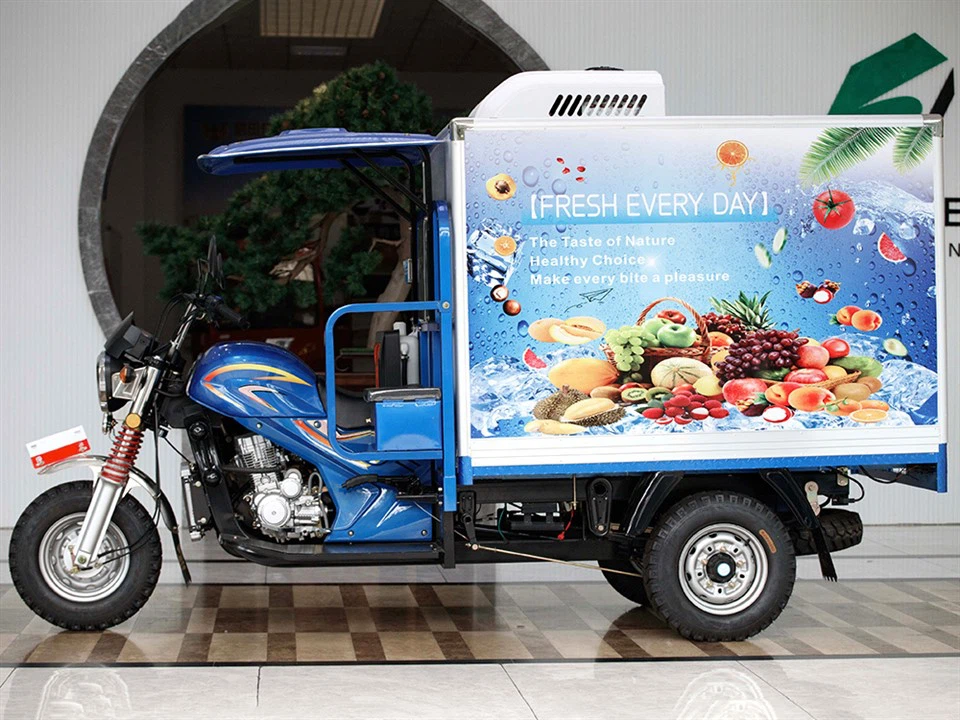
Hey there! As a supplier of passenger trikes, I often get asked about the maximum load capacity of these nifty vehicles. It's a crucial question, especially when you're planning to use them for transporting passengers or goods. So, let's dive right into it and figure out what factors determine the maximum load capacity of a passenger trike.


First off, what exactly is a passenger trike? Well, it's a three - wheeled vehicle designed to carry passengers. We've got different types in our inventory, like the Adults Gasoline Tuktuk Cab, the Tricycle Passenger Bike, and the Tricycle with Passenger Seat. Each type has its own unique features and load - carrying capabilities.
Factors Affecting Load Capacity
1. Frame Design
The frame is the backbone of any vehicle, and in the case of passenger trikes, it plays a huge role in determining the load capacity. A well - designed frame made of high - quality materials can handle more weight. For example, frames made from sturdy steel alloys are generally stronger and can support heavier loads compared to those made from lighter materials. The shape of the frame also matters. A frame with a wider base and a more stable structure can distribute the weight more evenly, reducing stress on individual components and allowing for a higher load capacity.
2. Wheel and Tire Specifications
Wheels and tires are another critical factor. Larger wheels with wider tires can handle more weight. They provide better stability and a larger contact area with the ground, which helps in distributing the load. Tires with a higher load - rating are also essential. You don't want your tires to blow out or wear out quickly under heavy loads. When we're designing our passenger trikes, we carefully select wheels and tires that can withstand the expected loads.
3. Suspension System
A good suspension system is key to handling heavy loads. It helps to absorb the shocks and vibrations caused by the weight of the passengers and any additional cargo. A well - tuned suspension can keep the trike stable and comfortable, even when it's fully loaded. There are different types of suspension systems available, such as independent suspension and solid - axle suspension. Each has its own advantages, and the choice depends on the intended use and load requirements of the trike.
4. Engine Power
If your passenger trike is powered by an engine (like our gasoline - powered models), the engine power is an important consideration. A more powerful engine can handle the extra weight without struggling. It needs to have enough torque to accelerate and maintain speed, even when the trike is carrying a full load. When we're building our trikes, we match the engine power to the expected load capacity to ensure smooth and efficient operation.
Typical Load Capacities
Now, let's talk about some typical load capacities. On average, a basic passenger trike designed for a few passengers might have a load capacity of around 300 - 500 kilograms. This includes the weight of the passengers, any luggage they might be carrying, and the weight of the trike itself.
Our Adults Gasoline Tuktuk Cab is a bit more robust and can handle loads of up to 600 kilograms. This makes it suitable for transporting a small group of passengers along with their belongings. It's a popular choice for short - distance transportation in urban areas.
The Tricycle Passenger Bike is a bit lighter and has a load capacity of around 400 kilograms. It's a great option for those who want a more eco - friendly and cost - effective way to transport a couple of passengers.
The Tricycle with Passenger Seat has a load capacity similar to the tricycle passenger bike, around 400 kilograms. It's a simple and practical design, perfect for local rides.
Why Load Capacity Matters
You might be wondering why it's so important to know the load capacity of a passenger trike. Well, there are a few reasons. First of all, safety is a major concern. Overloading a trike can put excessive stress on the frame, wheels, tires, and suspension system. This can lead to mechanical failures, such as a broken frame, a flat tire, or a malfunctioning suspension. In the worst - case scenario, it can cause an accident, putting the passengers and the driver at risk.
Secondly, overloading can also affect the performance of the trike. It can make the engine work harder, leading to increased fuel consumption and more wear and tear on the engine. The trike might also become more difficult to handle, with slower acceleration and reduced braking efficiency.
How to Determine the Right Load Capacity for Your Needs
When you're choosing a passenger trike, it's important to consider your specific needs. Think about how many passengers you typically need to carry and how much luggage they'll have. If you're using the trike for a business, like a tourist shuttle or a local transportation service, you might need a trike with a higher load capacity.
You should also consider the terrain where you'll be operating the trike. If you'll be driving on hilly or rough roads, a trike with a more powerful engine and a sturdier frame might be necessary to handle the extra stress.
Conclusion
So, there you have it! The maximum load capacity of a passenger trike depends on several factors, including the frame design, wheel and tire specifications, suspension system, and engine power. We offer a range of passenger trikes with different load capacities to suit your needs, such as the Adults Gasoline Tuktuk Cab, the Tricycle Passenger Bike, and the Tricycle with Passenger Seat.
If you're interested in purchasing a passenger trike or have any questions about load capacities and our products, feel free to reach out. We're here to help you find the perfect trike for your requirements. Whether you're a small business owner looking for a reliable transportation solution or an individual in need of a fun and practical way to get around, we've got you covered.
References
- Automotive Engineering Handbook: Covers general principles of vehicle design and load - bearing capabilities.
- Tricycle Manufacturing Industry Reports: Provide insights into the latest trends and standards in passenger trike manufacturing.