
Hey there! As a supplier of gasoline motors, I often get asked about the cooling systems of these motors. So, I thought I'd take a moment to break it down for you and explain what makes these systems tick.
First off, why do gasoline motors need a cooling system in the first place? Well, when a gasoline motor runs, it burns fuel to create power. This combustion process generates a whole lot of heat. If this heat isn't managed properly, it can cause all sorts of problems. The engine components can overheat, which leads to things like warping, seizing, and a whole host of other issues that can seriously damage the motor and reduce its lifespan. That's where the cooling system comes in.
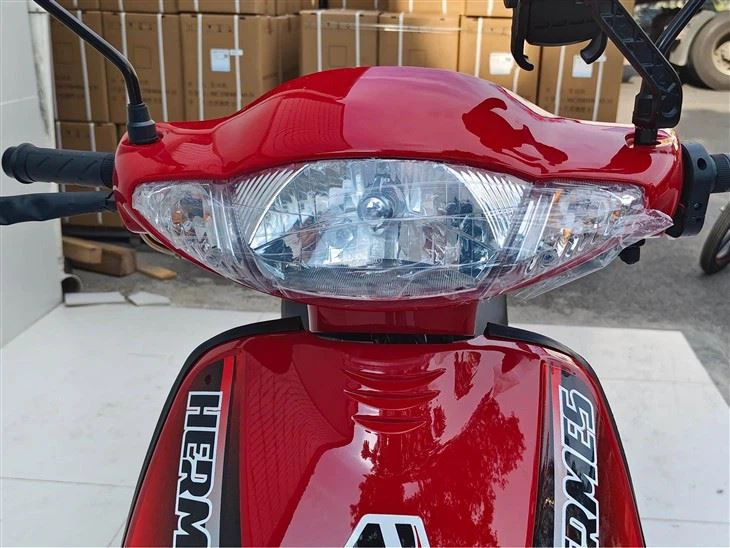

There are two main types of cooling systems for gasoline motors: air - cooled and liquid - cooled.
Let's start with air - cooled systems. These are pretty straightforward. In an air - cooled gasoline motor, the engine is designed with fins on its exterior. These fins increase the surface area of the engine that's exposed to the air. As the motor runs, air flows over these fins, carrying away the heat. Think of it like a radiator in your house, but instead of hot water, it's the engine itself that's being cooled by the air.
One of the big advantages of air - cooled systems is their simplicity. There are fewer parts involved compared to liquid - cooled systems. This means they're generally lighter, which is great for applications where weight is a concern, like Gas Motor Bike. They're also more reliable in some ways because there are fewer things that can go wrong. There's no coolant to leak, no water pump to fail, and no radiator to get clogged.
However, air - cooled systems do have their drawbacks. They're not as efficient at cooling as liquid - cooled systems, especially in high - performance or high - load situations. When the engine is working really hard, like when you're going up a steep hill on a Motor Bikes for Adults, the air might not be able to carry away all the heat fast enough. This can lead to the engine overheating. Also, air - cooled engines tend to run a bit hotter in general, which can reduce the lifespan of some engine components.
Now, let's talk about liquid - cooled systems. These are a bit more complex but offer better cooling performance. In a liquid - cooled gasoline motor, there's a coolant (usually a mixture of water and antifreeze) that circulates through the engine. The coolant absorbs the heat from the engine and then flows to a radiator.
The radiator is a key component in a liquid - cooled system. It's basically a big heat exchanger. The hot coolant enters the radiator, and as air flows through the radiator's fins, the heat from the coolant is transferred to the air. The now - cooled coolant then flows back to the engine to absorb more heat. This cycle keeps repeating as long as the engine is running.
To make the coolant circulate, there's a water pump. It's usually driven by a belt or a chain connected to the engine's crankshaft. The water pump creates the pressure needed to push the coolant through the engine and the radiator.
Another important part of a liquid - cooled system is the thermostat. The thermostat acts like a valve. It regulates the flow of coolant based on the engine's temperature. When the engine is cold, the thermostat stays closed, which keeps the coolant from flowing to the radiator. This allows the engine to warm up quickly. Once the engine reaches its optimal operating temperature, the thermostat opens, and the coolant starts flowing to the radiator to maintain that temperature.
Liquid - cooled systems offer several advantages. They're much more efficient at cooling, which means the engine can run at a more consistent temperature, even under heavy loads. This is great for high - performance engines, like those in some Two - wheeled Scooters. They also tend to be quieter because the coolant helps dampen some of the engine noise. And since the engine runs at a lower temperature, the components are less likely to wear out quickly, which can extend the engine's lifespan.
But, as I mentioned earlier, liquid - cooled systems are more complex. They have more parts, which means there's more that can go wrong. A leak in the coolant system, a malfunctioning water pump, or a clogged radiator can all cause problems. And if you're not careful with the coolant, like using the wrong type or not maintaining the proper level, it can lead to corrosion and other issues in the engine.
When it comes to choosing between an air - cooled and a liquid - cooled gasoline motor, it really depends on your specific needs. If you're looking for something lightweight, simple, and cost - effective, an air - cooled motor might be the way to go. But if you need high - performance and reliable cooling, especially for heavy - duty applications, a liquid - cooled motor is probably a better choice.
As a gasoline motor supplier, I've seen firsthand how important a good cooling system is. Whether it's a small motor for a gas - powered bike or a larger one for an adult motorbike, the right cooling system can make all the difference in terms of performance and longevity.
If you're in the market for a gasoline motor and have questions about the cooling system or any other aspect of our products, don't hesitate to reach out. We're here to help you find the perfect motor for your needs. Whether you're a hobbyist looking to build your own Gas Motor Bike or a business in need of reliable motors for your Motor Bikes for Adults or Two - wheeled Scooters, we've got you covered. Let's start a conversation about your requirements, and we'll work together to find the best solution.
References
- Automotive Engineering textbooks on internal combustion engines
- Manufacturer's manuals for gasoline motors
- Industry research papers on engine cooling systems