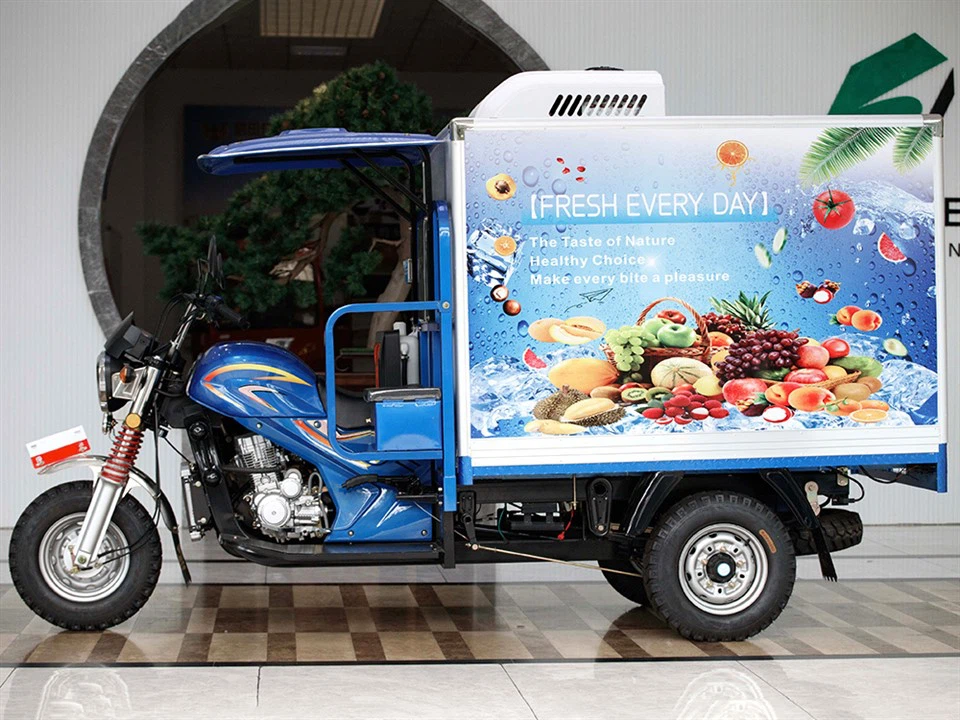
Hey there! I'm a supplier of Cargo Electric Trikes, and I often get asked about the battery life expectancy of these nifty vehicles. So, I thought I'd sit down and write this blog to share everything I know about it.
First off, let's talk about what a Cargo Electric Trike is. It's an awesome three - wheeled vehicle that runs on electricity. You can check out more about them on our website here: Cargo Electric Trike. These trikes are super useful for all sorts of things, like delivering packages, transporting goods around a small area, or even for personal use if you've got some stuff to haul.
Now, the battery life expectancy of a Cargo Electric Trike isn't set in stone. There are a bunch of factors that can affect how long the battery will last.
Battery Type
The type of battery used in the trike plays a huge role. The most common types are lead - acid batteries and lithium - ion batteries.
Lead - acid batteries are the older, more traditional option. They're relatively cheap, but they have a shorter life expectancy compared to lithium - ion batteries. On average, a lead - acid battery in a Cargo Electric Trike might last around 2 - 3 years. This is because they have a limited number of charge - discharge cycles. Each time you charge and then discharge the battery, it wears out a little bit. Lead - acid batteries can usually handle about 300 - 500 charge - discharge cycles before their performance starts to degrade significantly.
On the other hand, lithium - ion batteries are the new kids on the block. They're more expensive, but they offer a much longer life expectancy. A lithium - ion battery in a Cargo Electric Trike can last anywhere from 5 - 10 years. They can handle a much larger number of charge - discharge cycles, usually around 1000 - 2000 cycles. This means you can use your trike for a longer time without having to replace the battery as often. You can find more information about different types of electric tricycles on our Electric Tricycle page.
Usage Patterns
How you use your Cargo Electric Trike also has a big impact on the battery life. If you're constantly pushing the trike to its limits, like carrying heavy loads up steep hills all the time, the battery is going to work harder and wear out faster.
For example, if you use your Cargo E Trike for short trips around the neighborhood, the battery won't be under as much stress. You can make short stops, and the battery doesn't have to maintain a high level of power for a long time. But if you're using it for long - distance deliveries, especially in hilly areas, the battery will have to work overtime.
Another aspect of usage is how often you charge the battery. It's actually better for the battery if you don't let it completely discharge before charging it again. Lithium - ion batteries, in particular, prefer to be kept at a partial charge. So, if you can, try to charge your trike's battery when it's around 20 - 30% full. This will help extend the battery's life.
Charging Habits
Your charging habits can make or break the battery life. Using the wrong charger is a big no - no. Always use the charger that comes with your Cargo Electric Trike or a charger that's specifically recommended by the manufacturer. Using an incompatible charger can overcharge or undercharge the battery, which can damage it over time.
Also, don't leave the battery charging for too long. Once it's fully charged, unplug it. Overcharging can cause the battery to heat up, which can reduce its lifespan. And if you're charging the battery in extreme temperatures, that's not good either. High temperatures can speed up the chemical reactions inside the battery, causing it to degrade faster. Try to charge the battery in a cool, dry place.
Maintenance
Proper maintenance of the battery is essential for a long life. Keep the battery clean and free from dirt and debris. Check the battery terminals regularly to make sure they're clean and tight. Loose or dirty terminals can cause a poor connection, which can lead to problems with charging and discharging.


If you're using a lead - acid battery, you'll need to check the water level in the battery cells from time to time. Make sure to use distilled water if you need to top up the cells. Lithium - ion batteries don't require this kind of maintenance, but they still need to be stored properly when not in use. If you're not going to use your trike for a long time, store the battery at around 50% charge in a cool place.
Environmental Factors
The environment in which you use and store your Cargo Electric Trike can also affect the battery life. Extreme cold or hot temperatures are not good for the battery. In cold weather, the battery's performance can drop significantly. The chemical reactions inside the battery slow down, and you might not get as much range from a single charge.
In hot weather, the battery can overheat, which can cause damage to the internal components. If you live in an area with extreme temperatures, try to park your trike in a shaded or climate - controlled area when it's not in use.
So, as you can see, there's no one - size - fits - all answer to the question of what the battery life expectancy of a Cargo Electric Trike is. It depends on a whole bunch of factors. But if you take good care of your trike and its battery, you can expect a decent lifespan out of it.
If you're in the market for a Cargo Electric Trike and have any questions about battery life or anything else, don't hesitate to reach out. We're here to help you make the best choice for your needs. Whether you're a small business owner looking for a reliable delivery vehicle or an individual who needs to haul some stuff around, our Cargo Electric Trikes are a great option. Contact us to start the procurement negotiation process, and let's find the perfect trike for you!
References
- Battery University: A comprehensive resource for battery - related information.
- Industry reports on electric vehicle battery technology and performance.