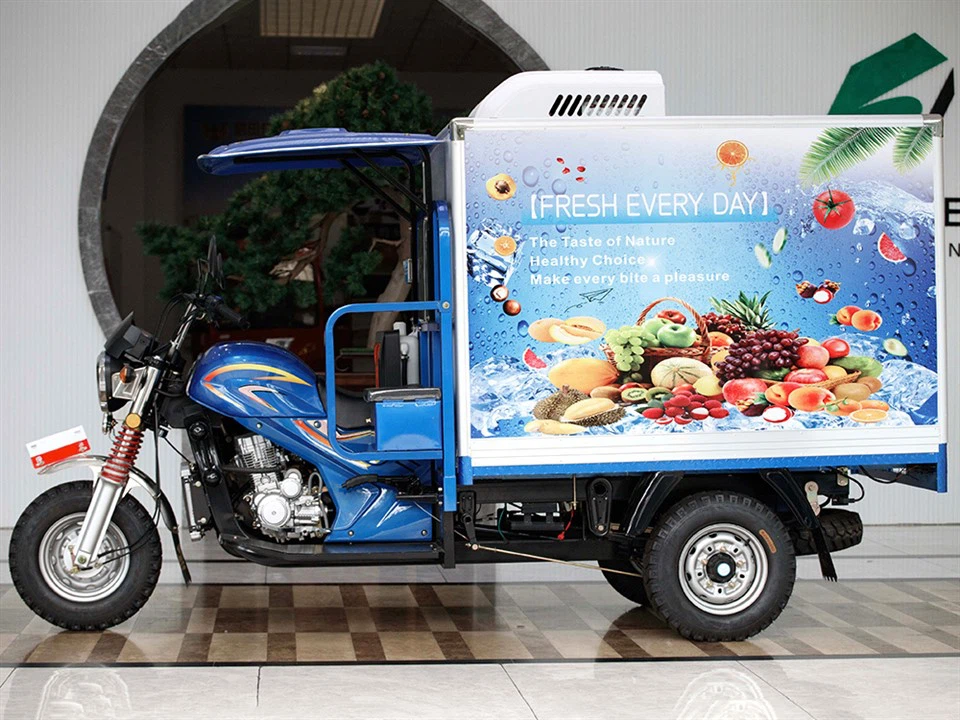
In recent years, the trike food cart business has witnessed a remarkable surge in popularity, evolving into a vibrant and dynamic sector within the food industry. As a seasoned supplier of trike food carts, I've had the privilege of observing and participating in this exciting journey. This blog post aims to delve into the current trends shaping the trike food cart business, offering insights for both aspiring entrepreneurs and established players in the market.
Health - Conscious and Sustainable Food Offerings
One of the most prominent trends in the trike food cart business is the increasing demand for health - conscious and sustainable food options. Consumers are becoming more aware of the impact of their food choices on their health and the environment. As a result, food cart owners are responding by offering a variety of fresh, organic, and locally sourced ingredients.
For instance, many trike food carts now feature vegan, vegetarian, and gluten - free options. These menus often include salads made with seasonal greens, plant - based burgers, and smoothies packed with superfoods. By catering to these dietary preferences, food cart vendors can attract a wider customer base, including those who are health - conscious or have specific dietary restrictions.
In addition to health - conscious food, sustainability is also a key concern. Many food cart operators are using eco - friendly packaging materials, such as biodegradable containers and utensils. They are also focusing on reducing food waste by carefully planning their inventory and using leftovers creatively. As a trike food cart supplier, I've noticed a growing demand for carts that are designed to support these sustainable practices, such as those with built - in composting bins or energy - efficient refrigeration systems.
Fusion Cuisine and Unique Flavors
Another trend that has taken the trike food cart scene by storm is the rise of fusion cuisine. Food cart vendors are no longer limited to traditional street foods; instead, they are combining flavors and ingredients from different cultures to create unique and exciting dishes.
For example, you might find a trike food cart offering Korean - Mexican fusion tacos, with a Korean - style barbecue meat filling served in a soft tortilla with a side of salsa and kimchi. Or perhaps a cart that specializes in Thai - Italian fusion, with pasta dishes infused with Thai spices and herbs. These innovative flavor combinations not only attract foodies looking for new and exciting taste experiences but also allow food cart owners to stand out in a crowded market.
In addition to fusion cuisine, there is also a growing interest in unique and exotic flavors. Vendors are experimenting with ingredients like dragon fruit, matcha, and gochujang to add a touch of the unexpected to their menus. This trend is driven by consumers' desire for new and different taste sensations, as well as the influence of social media, which has made it easier for people to discover and share information about unusual food offerings.
Mobile Technology and Online Marketing
In today's digital age, mobile technology and online marketing have become essential tools for trike food cart businesses. Food cart owners are using mobile apps and social media platforms to connect with their customers, promote their menus, and announce their locations.
Many food cart operators have developed their own mobile apps that allow customers to place orders in advance, track the cart's location in real - time, and receive exclusive discounts and promotions. These apps not only make it more convenient for customers to purchase food but also help food cart owners manage their business more efficiently.
Social media is also a powerful marketing tool. Food cart vendors are using platforms like Instagram, Facebook, and Twitter to showcase their delicious food, engage with their followers, and build a loyal customer base. They often post mouth - watering photos and videos of their dishes, along with information about their menu items, upcoming events, and special offers. By leveraging the power of social media, food cart owners can reach a wider audience and increase their visibility in the market.
Customization and Personalization
Consumers today value customization and personalization, and the trike food cart business is no exception. Food cart vendors are offering more options for customers to customize their meals, allowing them to choose their own ingredients, toppings, and portion sizes.
For example, a trike food cart that sells build - your - own bowls might offer a variety of base options, such as rice, quinoa, or salad greens, along with a selection of proteins, vegetables, and sauces. Customers can then mix and match these ingredients to create a meal that suits their taste and dietary preferences. This level of customization not only gives customers more control over their food choices but also makes the dining experience more enjoyable and memorable.
In addition to food customization, there is also a trend towards personalized service. Food cart owners are getting to know their regular customers by name, remembering their favorite orders, and offering personalized recommendations. This personal touch helps to build a strong relationship between the vendor and the customer, leading to increased customer loyalty and repeat business.
Specialized Trikes and Equipment
As the trike food cart business continues to grow and evolve, there is a growing demand for specialized trikes and equipment. Food cart owners are looking for carts that are not only functional but also stylish and eye - catching.
For example, there is a trend towards trikes with unique and modern designs. These carts often feature bright colors, bold graphics, and custom - made signage to attract attention and stand out on the street. Some carts are even designed to resemble popular characters or themes, such as a trike shaped like a pizza slice or a cart with a superhero - themed exterior.
In addition to design, there is also a need for specialized equipment to support different types of food offerings. For instance, if a food cart is serving ice cream, it will need a high - quality refrigeration system to keep the ice cream frozen. If it's a coffee cart, it will require a professional - grade espresso machine. As a supplier, I offer a range of specialized trikes and equipment, such as the Refrigerated Tricycle, which is designed to keep food and beverages at the optimal temperature.
Niche Markets and Targeted Offerings
Rather than trying to appeal to a broad audience, many trike food cart operators are now focusing on niche markets and targeted offerings. This approach allows them to differentiate themselves from their competitors and build a loyal customer base.
For example, there are trike food carts that specialize in serving food for specific events or occasions, such as weddings, corporate parties, or festivals. These carts often offer customized menus and packages tailored to the needs of the event. There are also carts that target specific demographics, such as health - conscious individuals, children, or senior citizens.
In addition to event - based and demographic - targeted carts, there are also those that focus on specific types of food. For example, a trike food cart might specialize in artisanal donuts, gourmet coffee, or handmade chocolates. By focusing on a niche market, food cart owners can become experts in their field and offer a high - quality product that meets the specific needs and preferences of their target customers.
Community Engagement and Partnerships
Finally, community engagement and partnerships are becoming increasingly important in the trike food cart business. Food cart owners are recognizing the value of building relationships with their local community and collaborating with other businesses and organizations.
Many food cart operators participate in community events, such as farmers' markets, street fairs, and charity fundraisers. These events not only provide an opportunity to sell their food but also help to build brand awareness and connect with potential customers. Food cart owners also often partner with local businesses, such as coffee shops, breweries, and retail stores, to offer joint promotions and cross - marketing opportunities.
In addition to community events and partnerships, there is also a growing trend towards food cart collectives and cooperatives. These groups bring together multiple food cart operators to share resources, promote each other's businesses, and advocate for the interests of the trike food cart community. By working together, food cart owners can achieve greater visibility, negotiate better deals with suppliers, and have a stronger voice in the local market.
If you're interested in starting a trike food cart business or looking to upgrade your existing cart, I'd love to discuss your needs and help you find the perfect solution. As a leading trike food cart supplier, I have a wide range of carts and equipment to choose from, all designed to meet the latest trends and requirements of the industry. Whether you're looking for a cart that supports sustainable practices, features a unique design, or is equipped with specialized equipment, I can help you find the right fit for your business. Please feel free to reach out to me to start a conversation about your trike food cart needs.


References
- Smith, J. (2023). The Future of Street Food: Trends and Innovations. Food Industry Journal, 15(2), 45 - 52.
- Johnson, A. (2022). Fusion Cuisine: A Global Culinary Revolution. Gastronomy Today, 20(3), 67 - 74.
- Brown, C. (2023). Mobile Technology in the Food Service Industry. Hospitality Management Review, 18(4), 32 - 40.