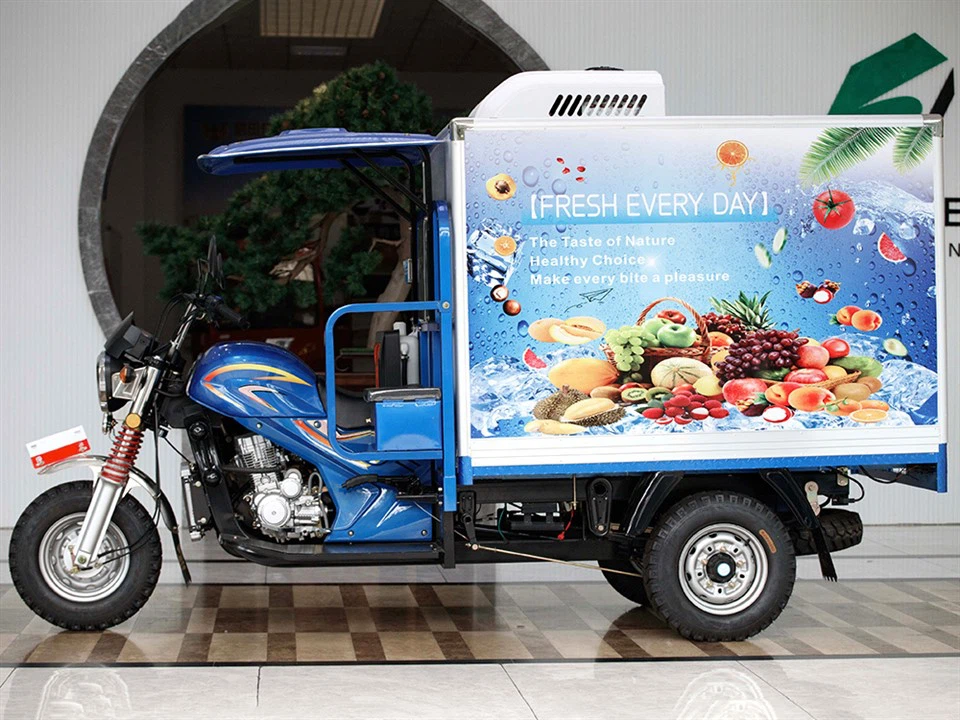
Hey there! I'm a supplier of construction trikes, and I often get asked about the best ways to transport these nifty machines to a construction site. It's not as straightforward as you might think, so I'm here to share some tips and tricks that I've picked up over the years.
First things first, let's talk about what a construction trike is. A construction trike, like the ones you can find on our site Construction Tricycle, is a robust and versatile vehicle designed for heavy-duty work on construction sites. It's got a powerful engine, a sturdy frame, and a large cargo bed, making it perfect for hauling materials, tools, and equipment around the site.
Now, when it comes to transporting a construction trike, there are a few options available. The choice you make will depend on several factors, such as the distance to the construction site, the number of trikes you need to transport, and your budget.
Option 1: Flatbed Truck
One of the most common ways to transport a construction trike is by using a flatbed truck. This method is great for long-distance transportation and when you need to move multiple trikes at once. A flatbed truck provides a large, open surface where you can securely load your trikes.


Before loading the trikes onto the flatbed, make sure to secure any loose parts. You don't want anything falling off during transit. Use high-quality tie-down straps to fasten the trikes to the truck bed. Make sure the straps are tight and that the trikes are stable. You can also use wheel chocks to prevent the trikes from rolling around.
When it comes to driving the flatbed truck, take it slow and steady. Construction trikes are heavy, and sudden stops or turns can cause them to shift and potentially damage the trikes or the truck. Also, be aware of the height and width of the load. Make sure you have enough clearance when passing under bridges or through narrow spaces.
Option 2: Enclosed Trailer
If you're worried about the weather or want to provide extra protection for your construction trikes, an enclosed trailer is a great option. An enclosed trailer shields the trikes from rain, snow, and UV rays, which can help prevent rust and other damage.
Loading a trike into an enclosed trailer is similar to loading it onto a flatbed truck. You'll still need to secure the trike using tie-down straps and wheel chocks. However, you may need to be more careful when maneuvering the trike into the trailer, as the space is more confined.
One advantage of using an enclosed trailer is that it can also be used to transport other construction equipment and tools. You can organize everything inside the trailer, making it easier to access when you reach the construction site.
Option 3: Towing
Some construction trikes are designed to be towed. If your trike has a towing hitch, you can attach it to a suitable vehicle, such as a pickup truck or SUV. This option is convenient for short distances and when you only need to transport one trike.
Before towing a construction trike, make sure your vehicle has the appropriate towing capacity. Check the owner's manual of your vehicle to find out how much weight it can safely tow. Also, make sure the towing hitch is properly installed and that all the connections are secure.
When towing a trike, be extra cautious on the road. The added weight and length can affect your vehicle's handling and braking. Give yourself plenty of time to stop and turn, and avoid sudden maneuvers.
Pre - Transport Checks
No matter which transportation method you choose, it's essential to perform some pre - transport checks on your construction trike.
- Fluid Levels: Check the oil, coolant, and fuel levels. If the levels are low, top them up before transportation. This ensures that the trike is ready to go as soon as it reaches the construction site.
- Tire Pressure: Proper tire pressure is crucial for safe transportation. Under - inflated or over - inflated tires can cause handling problems and increase the risk of a blowout. Use a tire pressure gauge to check the pressure and adjust it according to the manufacturer's recommendations.
- Brakes and Lights: Test the brakes and lights to make sure they are working properly. Faulty brakes or lights can be a safety hazard on the road.
Cost Considerations
Transporting a construction trike can add to your overall project costs. When choosing a transportation method, consider the cost of the truck or trailer rental, fuel, and any additional equipment you may need, such as tie - down straps.
If you're transporting multiple trikes, it may be more cost - effective to use a flatbed truck or an enclosed trailer. However, if you only need to transport one trike for a short distance, towing it behind a vehicle may be the more economical option.
Legal Requirements
Don't forget about the legal requirements when transporting a construction trike. You may need to obtain special permits, especially if you're transporting a large or heavy load. Check with your local transportation department to find out what permits are required and how to obtain them.
Also, make sure your vehicle and trailer (if applicable) are properly registered and insured. This protects you from any potential legal and financial liabilities in case of an accident during transportation.
Conclusion
Transporting a construction trike to a construction site requires careful planning and preparation. Whether you choose a flatbed truck, an enclosed trailer, or towing, make sure to follow all the safety procedures and legal requirements.
If you're in the market for a construction trike, we've got a great selection of Gasoline Cargo Tricycle and Motorized Cargo Tricycle on our website. We're always happy to help you find the right trike for your needs and answer any questions you may have about transportation.
If you're interested in purchasing a construction trike or have any questions about our products, feel free to reach out. We're here to assist you with all your construction trike needs.
References
- General knowledge from years of experience in the construction trike supply industry.
- Manufacturer's manuals for construction trikes and related transportation vehicles.