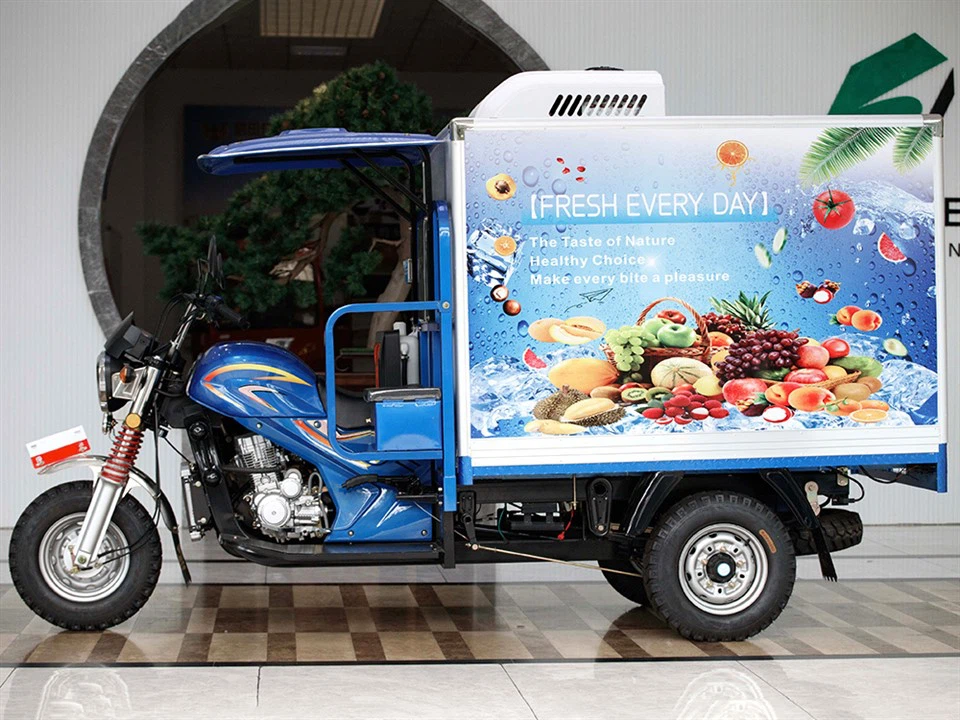
Hey there! As a heavy duty tricycle supplier, I've seen a lot of folks eager to get their hands on these bad boys but not really sure how to test their functionality before making that purchase. Well, you're in luck because I'm here to share some tips on how to do just that.
1. Visual Inspection
First things first, give the tricycle a good once - over. Check for any obvious signs of damage like dents, scratches, or rust. Rust can be a big red flag as it may indicate poor quality materials or improper storage. Look at the frame, especially around the welds. Welds should be smooth and consistent. Any rough or uneven welds could mean a weak spot in the structure.
You can also check the alignment of the wheels. The wheels should be straight and parallel to each other. If they're not, it could lead to uneven tire wear and make the tricycle difficult to steer. And don't forget to look at the tires themselves. They should have good tread depth. Worn - out tires can be dangerous, especially when you're carrying heavy loads on a Heavy Duty Tricycle.
2. Testing the Frame and Suspension
The frame of a heavy duty tricycle is its backbone. Try to shake the tricycle gently from side to side. It should feel sturdy and not wobble excessively. A wobbly frame can be a sign of a poorly constructed tricycle.
If the tricycle has a suspension system, test it out. Push down on the seat or the cargo area. The suspension should compress and then rebound smoothly. If it makes strange noises or doesn't rebound properly, there might be an issue with the suspension components. A good suspension system is crucial, especially if you plan to use the tricycle on rough terrain.
3. Braking System
The brakes are one of the most important safety features of any vehicle, and heavy duty tricycles are no exception. Test the brakes by applying them gently while the tricycle is stationary. You should feel a firm resistance. Then, take the tricycle for a slow ride and apply the brakes more forcefully. The tricycle should come to a stop quickly and smoothly.
Listen for any squealing or grinding noises when you apply the brakes. These could indicate worn - out brake pads or other brake system problems. Make sure the brake levers are easy to reach and operate. If they're too stiff or too loose, it can make it difficult to control the tricycle in an emergency.
4. Steering Mechanism
The steering of a heavy duty tricycle needs to be responsive and precise. Sit on the tricycle and turn the handlebars from side to side. The steering should be smooth, without any jerks or sticking points. Try making some slow turns while riding the tricycle. The tricycle should follow your steering input accurately.
If the steering feels too loose or too tight, it can be a hassle to operate, especially when you're navigating through tight spaces or carrying a heavy load. A well - functioning steering mechanism is essential for a safe and comfortable ride.
5. Power Source (if applicable)
Many heavy duty tricycles are powered by gasoline engines or electric motors. If it's a gasoline - powered tricycle, start the engine. It should start easily and run smoothly. Listen for any strange noises like knocking or rattling. A rough - running engine can indicate engine problems that could lead to breakdowns.
Check the fuel tank for any leaks. You don't want fuel spilling out, which can be a fire hazard. If it's an electric tricycle, test the battery. Make sure it holds a charge and that the motor provides enough power to move the tricycle, especially when carrying a heavy load. You can check the battery indicator if it has one.
6. Cargo Hold
If you're looking at a Three Wheeled Vehicle With Cargo Hold, test the cargo hold. Check the size and see if it meets your needs. The cargo hold should be well - constructed, with no sharp edges or loose parts that could damage your cargo.
Try loading some weight into the cargo hold. The tricycle should still handle well and not become unstable. Make sure the cargo hold has proper tie - down points or straps to secure your load. This is important for safety, especially when you're transporting heavy or bulky items.
7. Comfort Features
Riding a heavy duty tricycle for long periods can be tiring if it's not comfortable. Check the seat. It should be well - padded and provide good support. The pedals should be at a comfortable distance from the seat, and the footrests should be wide enough to rest your feet comfortably.


If the tricycle has a backrest, make sure it's adjustable and provides adequate support for your back. Some tricycles also come with features like a windscreen or a canopy. Test these out to see if they provide the protection you need from the elements.
8. Additional Features
Some heavy duty tricycles come with additional features like lights, horn, or a speedometer. Test the lights to make sure they're bright enough and that the high - and low - beam settings work properly. The horn should be loud enough to alert others to your presence.
The speedometer, if present, should give an accurate reading of your speed. These additional features can enhance the safety and usability of the tricycle, so it's important to make sure they're in good working condition.
9. Durability and Build Quality
Look at the materials used in the construction of the tricycle. High - quality materials like steel frames and strong plastics are more likely to last longer. Check the quality of the hardware, such as bolts and nuts. They should be tightened properly and not show any signs of corrosion.
Ask the seller about the warranty and after - sales service. A good warranty can give you peace of mind knowing that you're covered if something goes wrong with the tricycle. A reputable supplier should also offer good after - sales support, such as providing replacement parts and technical assistance.
10. Test Ride in Real - World Conditions
Finally, take the tricycle for a test ride in real - world conditions. If possible, ride it on different types of terrain, such as smooth roads, gravel paths, or uphill slopes. This will give you a better idea of how the tricycle performs in different situations.
Carry some weight in the cargo hold during the test ride to simulate a real - life scenario. Pay attention to how the tricycle handles the load. Notice how it accelerates, brakes, and steers under these conditions. This real - world testing is the best way to determine if the tricycle is right for you.
If you're interested in purchasing a Heavy Duty Tricycle for Adults and have any questions about the functionality testing or the tricycles themselves, don't hesitate to reach out. We're here to help you make an informed decision and find the perfect tricycle for your needs. Whether you're using it for business or personal use, we've got the right heavy duty tricycle for you. Contact us for more information and to start the procurement process.
References
- General knowledge from years of experience in the heavy duty tricycle industry.
- Discussions with tricycle manufacturers and experts in the field.