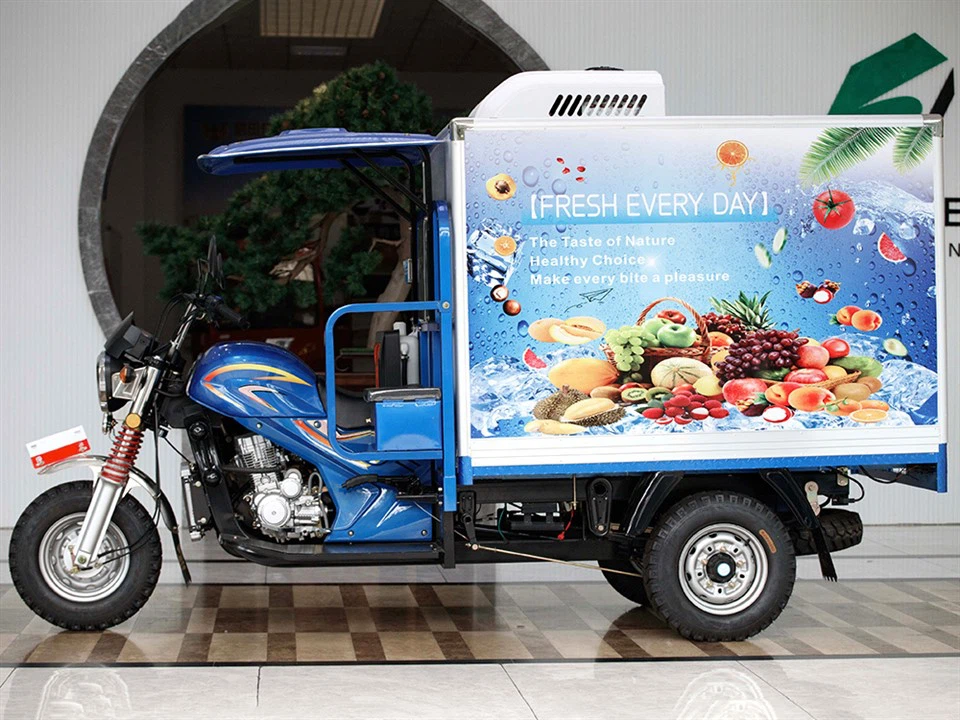
As a trusted supplier of Heavy Duty Tricycle, I understand the significance of proper maintenance to ensure the optimal performance and longevity of these robust vehicles. One crucial aspect of maintenance is lubricating the moving parts. In this blog post, I'll share comprehensive insights on how to lubricate the moving parts of a heavy-duty tricycle effectively.
Understanding the Importance of Lubrication
Lubrication plays a pivotal role in the smooth operation of a heavy-duty tricycle. Moving parts such as bearings, chains, gears, and axles are constantly subjected to friction and wear during operation. Friction generates heat, which can lead to premature wear and tear of components, reduced efficiency, and even mechanical failures. By applying the right lubricant, we can minimize friction, dissipate heat, prevent corrosion, and extend the lifespan of these critical parts.


Types of Lubricants
There are several types of lubricants available, each with its own unique properties and applications. When choosing a lubricant for your heavy-duty tricycle, it's essential to consider factors such as the operating conditions, the type of moving parts, and the manufacturer's recommendations. Here are some common types of lubricants used for tricycles:
- Oil-based Lubricants: These lubricants are suitable for high-speed and high-load applications. They provide excellent lubrication and can withstand extreme temperatures. Mineral oils are a popular choice for general-purpose lubrication, while synthetic oils offer superior performance and longer service life.
- Grease: Grease is a semi-solid lubricant that is ideal for components that require long-term lubrication and protection against dust, dirt, and moisture. It adheres well to surfaces and provides a barrier against contaminants. Grease is commonly used in bearings, joints, and pivot points.
- Dry Lubricants: Dry lubricants, such as graphite and molybdenum disulfide, are suitable for applications where oil or grease may attract dirt or cause contamination. They provide lubrication without leaving a sticky residue and are often used in chains and gears.
Lubrication Points on a Heavy Duty Tricycle
Before you start lubricating your tricycle, it's important to identify the key lubrication points. Here are the main areas that require regular lubrication:
Chains and Sprockets
The chain is one of the most critical components of a tricycle, as it transfers power from the engine to the wheels. Over time, the chain can become dry and dirty, which can lead to increased friction and wear. To lubricate the chain, follow these steps:
- Clean the chain thoroughly using a degreaser and a brush to remove any dirt, grime, or old lubricant.
- Apply the lubricant evenly along the entire length of the chain, making sure to penetrate the links.
- Let the lubricant soak in for a few minutes, then wipe off any excess lubricant with a clean cloth.
Bearings
Bearings support the rotating parts of the tricycle, such as the wheels, axles, and engine. Proper lubrication of bearings is essential to reduce friction and prevent premature failure. To lubricate the bearings, follow these steps:
- Remove the bearing covers or seals.
- Apply a small amount of grease to the bearing race and the balls or rollers.
- Reinstall the bearing covers or seals.
Gears
Gears are responsible for transmitting power and changing the speed of the tricycle. Lubricating the gears helps to reduce noise, wear, and heat generation. To lubricate the gears, follow these steps:
- Check the gearbox oil level and top up if necessary.
- If the gears are exposed, apply a small amount of oil or grease to the teeth of the gears.
- Operate the tricycle for a few minutes to distribute the lubricant evenly.
Pivot Points and Joints
Pivot points and joints, such as the steering mechanism and the suspension system, require lubrication to ensure smooth movement and prevent squeaking. To lubricate these points, follow these steps:
- Clean the pivot points and joints to remove any dirt or debris.
- Apply a small amount of grease or oil to the pivot points and joints.
- Move the components back and forth to distribute the lubricant evenly.
Lubrication Frequency
The frequency of lubrication depends on several factors, such as the operating conditions, the type of lubricant used, and the manufacturer's recommendations. As a general rule, it's recommended to lubricate the moving parts of your heavy-duty tricycle every 50 - 100 hours of operation or at least once a month if the tricycle is used regularly. However, if you operate the tricycle in harsh conditions, such as dusty or wet environments, you may need to lubricate the parts more frequently.
Tips for Effective Lubrication
Here are some tips to help you lubricate the moving parts of your heavy-duty tricycle effectively:
- Read the Manufacturer's Manual: Always refer to the manufacturer's manual for specific lubrication instructions and recommendations. The manual will provide information on the type of lubricant to use, the lubrication points, and the lubrication frequency.
- Use the Right Lubricant: Choose a lubricant that is suitable for the operating conditions and the type of moving parts. Using the wrong lubricant can cause damage to the components and reduce the performance of the tricycle.
- Clean the Parts Before Lubrication: Before applying the lubricant, make sure to clean the moving parts thoroughly to remove any dirt, grime, or old lubricant. This will ensure that the lubricant can penetrate the surfaces and provide optimal lubrication.
- Apply the Lubricant Correctly: Use the right amount of lubricant and apply it evenly to the moving parts. Over-lubrication can cause the lubricant to attract dirt and debris, while under-lubrication can lead to increased friction and wear.
- Inspect the Lubrication Points Regularly: Regularly inspect the lubrication points for signs of wear, damage, or contamination. If you notice any issues, such as leaks, excessive noise, or reduced performance, take the tricycle to a professional mechanic for inspection and repair.
Conclusion
Proper lubrication of the moving parts is essential for the smooth operation and longevity of a heavy-duty tricycle. By following the tips and guidelines outlined in this blog post, you can ensure that your tricycle performs at its best and lasts for many years to come. As a Heavy Duty Tricycle supplier, we are committed to providing high-quality tricycles and comprehensive maintenance support to our customers. If you have any questions or need further assistance with lubrication or other maintenance issues, please feel free to contact us. We'll be happy to help you keep your tricycle in top condition. Whether you're in the market for a Construction Tricycle for your building projects or an Agricultural Tricycle for farm work, we have the right tricycle to meet your needs. Contact us today to discuss your requirements and explore our range of heavy-duty tricycles.
References
- "Tricycle Maintenance Guide" - Various industry publications
- Manufacturer's manuals for heavy-duty tricycles