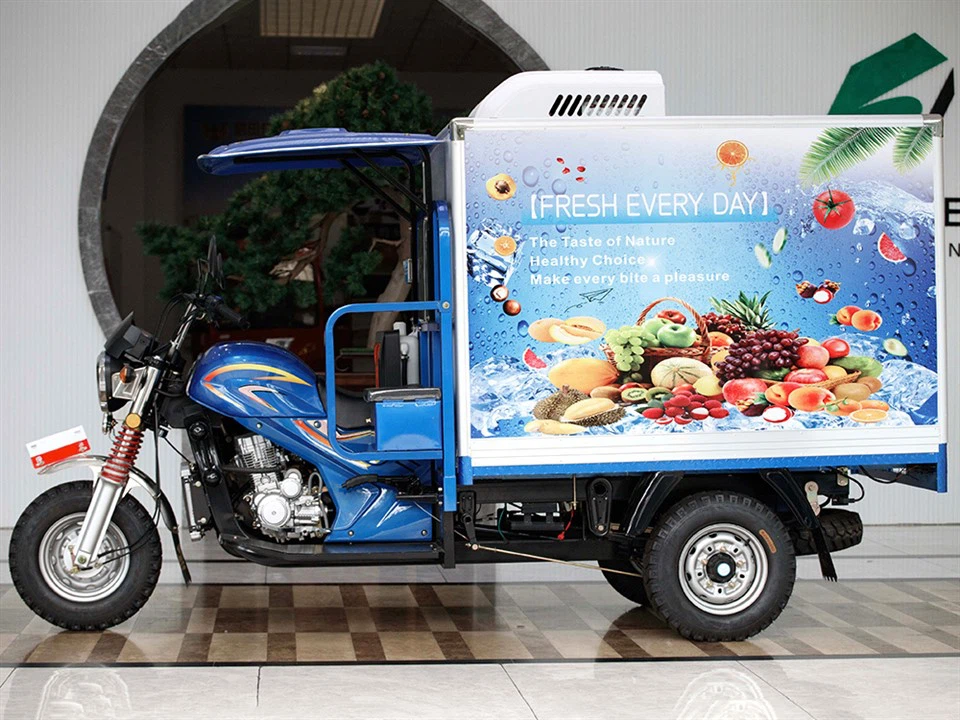
As a well - established farm tricycle supplier, I understand the importance of proper lubrication for the smooth operation and longevity of these essential agricultural vehicles. In this blog, I'll share comprehensive insights on how to lubricate a farm tricycle, ensuring that it remains in top - notch condition for all your farming needs.
Why Lubrication Matters
Before delving into the lubrication process, it's crucial to understand why lubrication is so vital for farm tricycles. Farm tricycles are often subjected to harsh working conditions, including dusty environments, heavy loads, and long hours of operation. Without proper lubrication, the moving parts of the tricycle, such as the engine, transmission, and wheel bearings, can experience excessive friction. This friction leads to increased wear and tear, reduced efficiency, and ultimately, costly breakdowns. Lubrication forms a protective layer between the moving parts, reducing friction, dissipating heat, and preventing corrosion.
Tools and Lubricants You'll Need
To lubricate your farm tricycle effectively, you'll need the right tools and lubricants. Here's a list of what you should gather:
- Lubricants: Choose high - quality lubricants that are specifically designed for agricultural machinery. For the engine, use a multi - grade engine oil that meets the manufacturer's specifications. For the transmission and other gear systems, a suitable gear oil is required. For wheel bearings and other moving parts, a grease gun with high - temperature grease is ideal.
- Tools: You'll need a socket set, wrenches, a funnel for pouring oil, and a clean rag for wiping off excess lubricant.
Step - by - Step Lubrication Process
Engine Lubrication
- Prepare the Tricycle: Park the farm tricycle on a level surface and let the engine cool down completely. This is important to prevent burns and ensure accurate oil level readings.
- Locate the Oil Dipstick and Oil Filler Cap: Open the hood of the tricycle and find the oil dipstick and oil filler cap. The dipstick is used to check the oil level, while the filler cap is where you'll add new oil.
- Check the Oil Level: Pull out the dipstick, wipe it clean with a rag, and then re - insert it fully. Pull it out again and check the oil level. If the oil level is below the minimum mark, it's time to add oil.
- Add Oil: Remove the oil filler cap and use a funnel to pour the recommended engine oil into the engine. Add the oil slowly and check the level frequently using the dipstick until it reaches the appropriate level.
- Replace the Dipstick and Filler Cap: Once the oil level is correct, replace the dipstick and tighten the oil filler cap securely.
Transmission Lubrication
- Locate the Transmission: The transmission is usually located near the engine. Refer to the tricycle's manual to find the exact location.
- Check the Transmission Fluid Level: Some transmissions have a dipstick, similar to the engine oil dipstick. If so, follow the same procedure as for the engine oil to check the level. If there's no dipstick, you may need to remove a plug on the side of the transmission to check the fluid level.
- Add Transmission Fluid: If the fluid level is low, use a funnel to add the recommended gear oil to the transmission. Be careful not to overfill.
- Replace the Plug or Dipstick: After adding the fluid, replace the plug or dipstick and make sure it's tightened properly.
Wheel Bearing Lubrication
- Jack Up the Tricycle: Use a jack to lift the tricycle off the ground and support it securely on jack stands. This will allow you to access the wheel bearings easily.
- Remove the Wheels: Use a socket set to remove the wheel nuts and take off the wheels.
- Clean the Wheel Bearings: Remove the old grease from the wheel bearings using a clean rag and a suitable solvent. Make sure to clean all the parts thoroughly.
- Apply Grease: Use a grease gun to apply a generous amount of high - temperature grease to the wheel bearings. Make sure the grease fills all the spaces between the bearing rollers.
- Reassemble the Wheels: Put the wheels back on the tricycle and tighten the wheel nuts to the recommended torque. Lower the tricycle off the jack stands.
Other Moving Parts
In addition to the engine, transmission, and wheel bearings, there are other moving parts on the farm tricycle that need lubrication. These include the steering mechanism, suspension components, and brake linkages. Use a grease gun to apply grease to the appropriate grease fittings on these parts. Make sure to lubricate them regularly to prevent wear and ensure smooth operation.

Maintenance Tips
- Regular Inspections: Perform regular visual inspections of the tricycle to check for any signs of oil leaks, loose parts, or excessive wear.
- Follow the Manufacturer's Recommendations: Always follow the manufacturer's recommended lubrication schedule and use the recommended lubricants.
- Keep the Tricycle Clean: A clean tricycle is less likely to accumulate dirt and debris, which can cause damage to the moving parts. Wash the tricycle regularly and keep it dry.
Our Product Range
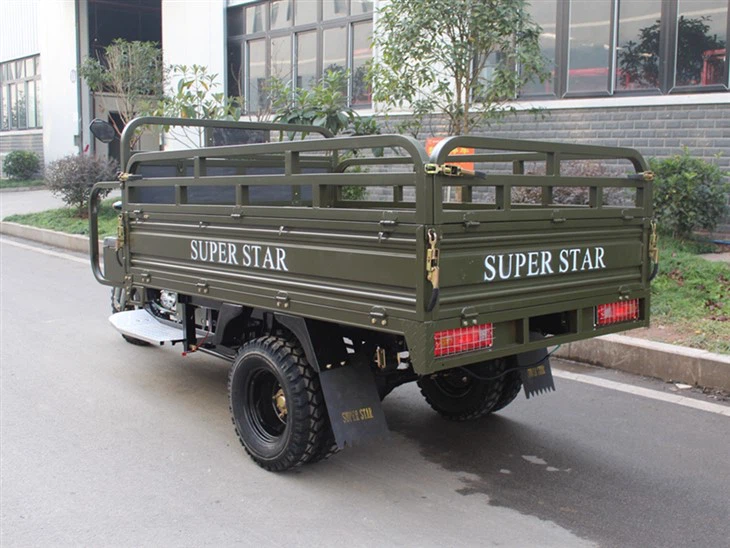
As a farm tricycle supplier, we offer a wide range of high - quality tricycles to meet your agricultural needs. Our Agricultural Tricycle is designed specifically for farming tasks, with a robust engine and a durable frame. The Gasoline Cargo Tricycle is perfect for transporting heavy loads around the farm. And our Windshield Tricycle provides protection from the elements during long - distance rides.
Conclusion
Proper lubrication is essential for the performance and longevity of your farm tricycle. By following the steps outlined in this blog and using the right lubricants and tools, you can ensure that your tricycle runs smoothly and efficiently for years to come. If you're in the market for a new farm tricycle or need more information about our products, don't hesitate to contact us for a purchase negotiation. We're here to help you find the perfect tricycle for your agricultural operations.
References
- Agricultural Machinery Maintenance Manuals
- Manufacturer's Guides for Farm Tricycles