Can a refrigerated tricycle be used in hot and humid climates?
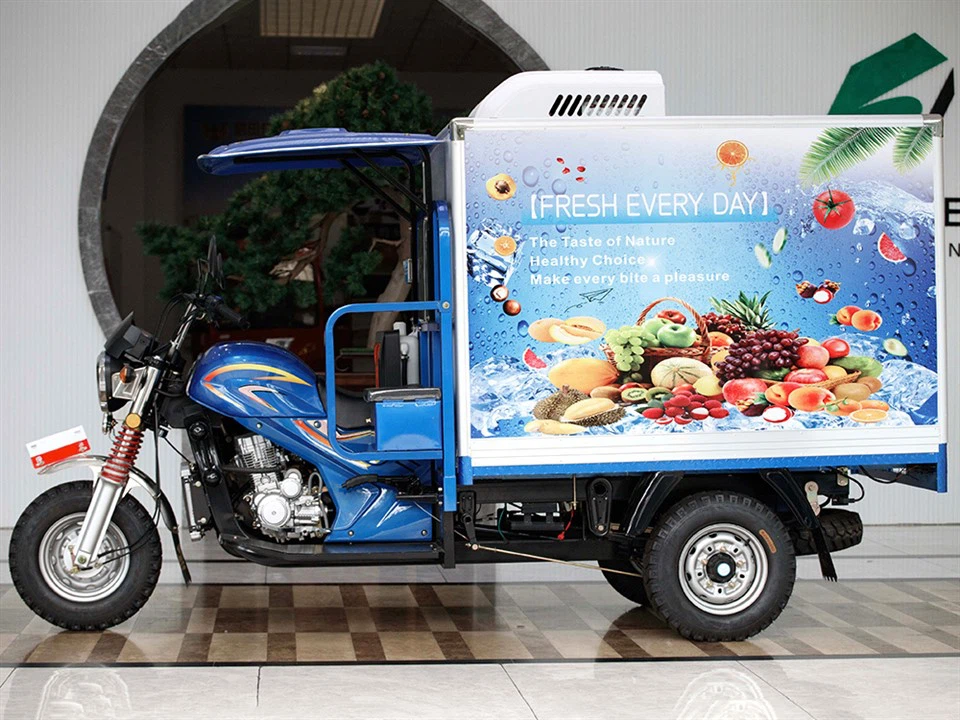
As a supplier of refrigerated tricycles, I often get asked whether our products can perform effectively in hot and humid climates. It's a valid concern, considering the unique challenges these conditions present. In this blog post, I'll delve into the intricacies of using refrigerated tricycles in such environments, exploring the technical aspects, potential issues, and solutions.
Understanding the Challenges of Hot and Humid Climates
Hot and humid climates can pose several challenges to refrigerated tricycles. High temperatures can make it difficult for the refrigeration system to maintain the desired low temperatures inside the storage compartment. The heat absorption from the external environment increases the workload on the compressor, which is the heart of the refrigeration system. This can lead to increased energy consumption and potentially shorter compressor lifespan if not properly managed.
Humidity also plays a significant role. Excessive moisture in the air can cause condensation inside the refrigerated compartment and on the external surfaces of the cooling components. Condensation can lead to corrosion of metal parts, electrical malfunctions, and mold growth. Additionally, the presence of moisture can affect the insulation properties of the tricycle's body, reducing its ability to keep the cold air inside.
Technical Features of Our Refrigerated Tricycles
Our refrigerated tricycles are designed with several features to combat the challenges of hot and humid climates. Firstly, we use high - efficiency compressors that are specifically selected for their ability to operate in high - temperature environments. These compressors are capable of maintaining a stable cooling performance even when the outside temperature soars.
The insulation material used in our tricycles is of top - quality. It has a low thermal conductivity, which means it can effectively reduce the heat transfer from the outside to the inside of the refrigerated compartment. This helps in maintaining the desired temperature with less energy consumption.
To deal with humidity, we have incorporated a dehumidification system in some of our models. This system helps to remove excess moisture from the air inside the compartment, preventing condensation and its associated problems. The tricycles are also equipped with corrosion - resistant materials for critical components, such as the frame and the cooling coils. This ensures that they can withstand the humid conditions without deteriorating quickly.
Real - World Performance
We have received feedback from customers in hot and humid regions, and the results have been quite positive. For example, in tropical countries where the average temperature is above 30°C and the humidity is consistently high, our refrigerated tricycles have been able to maintain a stable temperature inside the compartment for transporting perishable goods such as fresh fruits, vegetables, and dairy products.
One customer who uses our tricycle for a Trike Food Cart business reported that he was able to keep his food items fresh throughout the day, even during the hottest hours. The tricycle's refrigeration system was able to counteract the heat and humidity, allowing him to serve high - quality products to his customers.
In the postal service industry, some customers have used our refrigerated tricycles as Postal Trike for delivering temperature - sensitive medications. They have found that the tricycle can maintain the required temperature range, ensuring the integrity of the medications during transit.
There have also been cases where our tricycles have been used as Ambulance Tricycle for transporting blood samples and vaccines in remote areas with hot and humid climates. The reliable cooling performance has been crucial in preserving the viability of these medical supplies.
Maintenance Tips for Hot and Humid Climates
To ensure the long - term performance of our refrigerated tricycles in hot and humid climates, proper maintenance is essential. Regularly clean the exterior of the tricycle to remove any dirt and debris that may accumulate. This helps to maintain the ventilation of the cooling system and prevent overheating.
Check the insulation for any signs of damage. If there are any cracks or holes, repair them immediately to prevent heat leakage. The compressor should be serviced according to the manufacturer's recommendations. This includes checking the refrigerant levels, lubricating moving parts, and inspecting the electrical connections.
Keep the dehumidification system (if applicable) clean and functioning properly. This may involve cleaning the filters and checking the drainage system to prevent blockages.
Applications in Different Industries
In the food industry, refrigerated tricycles are ideal for street vendors who sell ice - cream, cold drinks, and fresh food. They can move around easily in crowded areas and keep their products cold. In the pharmaceutical industry, they are used for local deliveries of vaccines and other temperature - sensitive drugs. The mobility of the tricycle allows for quick and efficient distribution, especially in areas with limited access.
In the agricultural sector, farmers can use our refrigerated tricycles to transport freshly harvested produce to the market. This helps to reduce post - harvest losses by keeping the produce fresh for a longer time.


Conclusion
In conclusion, our refrigerated tricycles can indeed be used effectively in hot and humid climates. Through advanced technical features, real - world performance, and proper maintenance, they can overcome the challenges posed by high temperatures and humidity. Whether you are in the food, postal, medical, or agricultural industry, our refrigerated tricycles can be a reliable solution for your temperature - controlled transportation needs.
If you are interested in learning more about our refrigerated tricycles or would like to discuss a potential purchase, we welcome you to reach out to us. We are ready to provide you with detailed information and assist you in finding the best model for your specific requirements.
References
- ASHRAE Handbook of Refrigeration. This handbook provides in - depth knowledge about refrigeration systems and their performance in different environmental conditions.
- Industry reports on the use of refrigerated vehicles in hot and humid regions, which offer insights into the practical challenges and solutions.