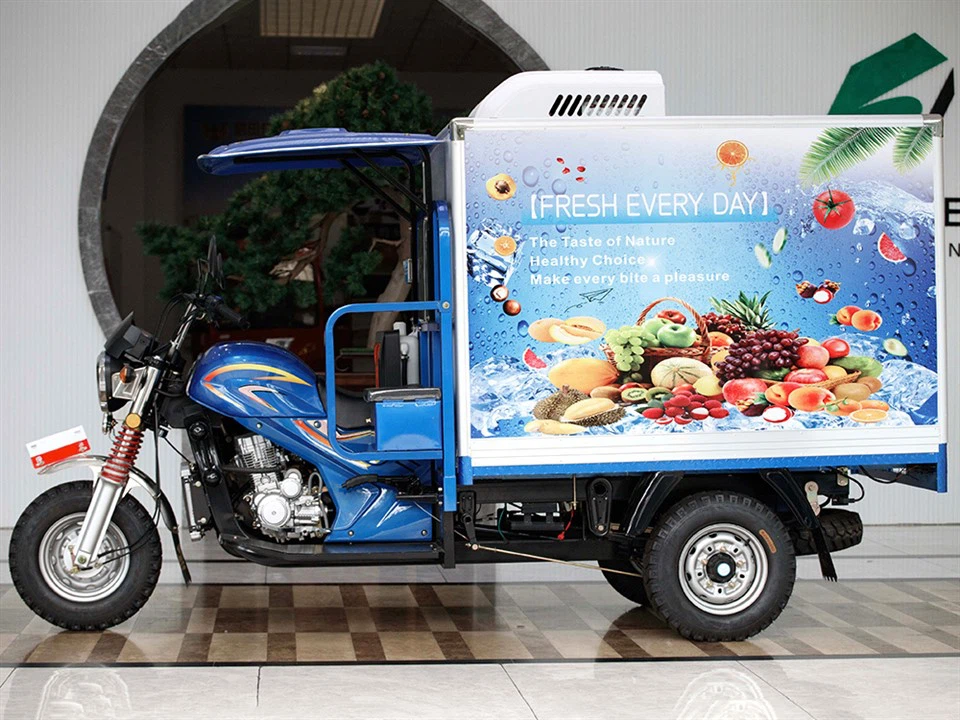
In the realm of tricycles, a long - standing debate has persisted: Are gasoline tricycles more reliable than electric tricycles? As a supplier of gasoline tricycles, I've witnessed firsthand the unique advantages and limitations of both types. In this blog, I aim to delve deep into this topic, analyzing various aspects to provide a comprehensive understanding.
Power and Performance
One of the primary considerations when evaluating tricycle reliability is power and performance. Gasoline tricycles are powered by internal combustion engines, which typically offer high torque and power output. This means they can handle heavy loads and challenging terrains with relative ease. For instance, our Heavy Duty Tricycle for Adults is designed to carry substantial weights, making it ideal for commercial applications such as delivery services or transporting construction materials.
The power of a gasoline engine allows these tricycles to maintain consistent speeds even when climbing steep hills or traversing rough roads. In contrast, electric tricycles rely on batteries to power an electric motor. While modern electric motors have come a long way in terms of performance, they may struggle when faced with heavy loads or difficult terrains. The battery capacity can limit the power output, and the range may be significantly reduced when the tricycle is under heavy use.
Range and Refueling/Recharging
Range is another crucial factor in determining tricycle reliability. Gasoline tricycles have a distinct advantage in this regard. A full tank of gasoline can provide a much longer range compared to a fully charged electric tricycle battery. This is especially important for users who need to cover long distances without frequent stops. For example, if you're using a tricycle for long - haul delivery, a gasoline tricycle can keep you on the road for hours without the need to refuel.
Refueling a gasoline tricycle is also a relatively quick process. You can simply pull into a gas station, fill up the tank, and be back on the road within minutes. On the other hand, recharging an electric tricycle battery can be time - consuming. Depending on the battery type and charger, it may take several hours to fully recharge. This can be a significant drawback for users who have tight schedules or need to use the tricycle continuously throughout the day.
Durability and Maintenance
When it comes to durability, gasoline tricycles have a proven track record. Internal combustion engines are generally robust and can withstand harsh operating conditions. They are less sensitive to temperature variations compared to electric batteries, which can lose efficiency in extreme cold or heat. Our Construction Tricycle and Construction Trike are built to last, with heavy - duty frames and reliable engines that can handle the rigors of construction sites.
Maintenance of gasoline tricycles is also relatively straightforward. Routine maintenance tasks such as oil changes, air filter replacements, and spark plug checks are well - understood and can be easily performed by most mechanics. In contrast, electric tricycles require specialized knowledge for battery maintenance. Batteries have a limited lifespan and may need to be replaced periodically, which can be costly and time - consuming.
Environmental Impact
While gasoline tricycles offer many advantages in terms of reliability, it's important to consider their environmental impact. Gasoline engines emit pollutants such as carbon monoxide, nitrogen oxides, and particulate matter, which contribute to air pollution and climate change. Electric tricycles, on the other hand, produce zero tailpipe emissions, making them a more environmentally friendly option.
However, the environmental benefits of electric tricycles are somewhat offset by the source of electricity used to charge the batteries. If the electricity is generated from fossil fuels, the overall carbon footprint may not be significantly reduced. Additionally, the production and disposal of electric batteries also have environmental implications.
Cost Considerations
The initial cost of a gasoline tricycle is often lower than that of an electric tricycle. Gasoline engines are generally less expensive to manufacture compared to electric motors and batteries. However, the long - term cost of operating a gasoline tricycle can be higher due to the cost of fuel. Electric tricycles have lower operating costs since electricity is generally cheaper than gasoline.
It's also important to consider the cost of maintenance and replacement parts. As mentioned earlier, gasoline tricycle maintenance is relatively inexpensive, but the cost of fuel can add up over time. Electric tricycle batteries can be expensive to replace, which can offset the savings on operating costs.


Conclusion
In conclusion, gasoline tricycles offer several advantages in terms of power, range, durability, and maintenance, which make them a more reliable option for many users. However, electric tricycles have their own merits, such as environmental friendliness and lower operating costs. The choice between a gasoline tricycle and an electric tricycle ultimately depends on the specific needs and preferences of the user.
If you're in the market for a reliable tricycle for commercial or personal use, I encourage you to consider our range of gasoline tricycles. Our products are designed to meet the highest standards of quality and performance. Whether you need a heavy - duty tricycle for transporting goods or a construction trike for tough jobs, we have the right solution for you.
If you're interested in learning more about our gasoline tricycles or would like to discuss your specific requirements, please don't hesitate to contact us. We're here to help you make an informed decision and find the perfect tricycle for your needs.
References
- "The Handbook of Internal Combustion Engines" by Richard Stone
- "Electric Vehicle Technology Explained" by John Heywood
- Various industry reports on tricycle market trends and performance