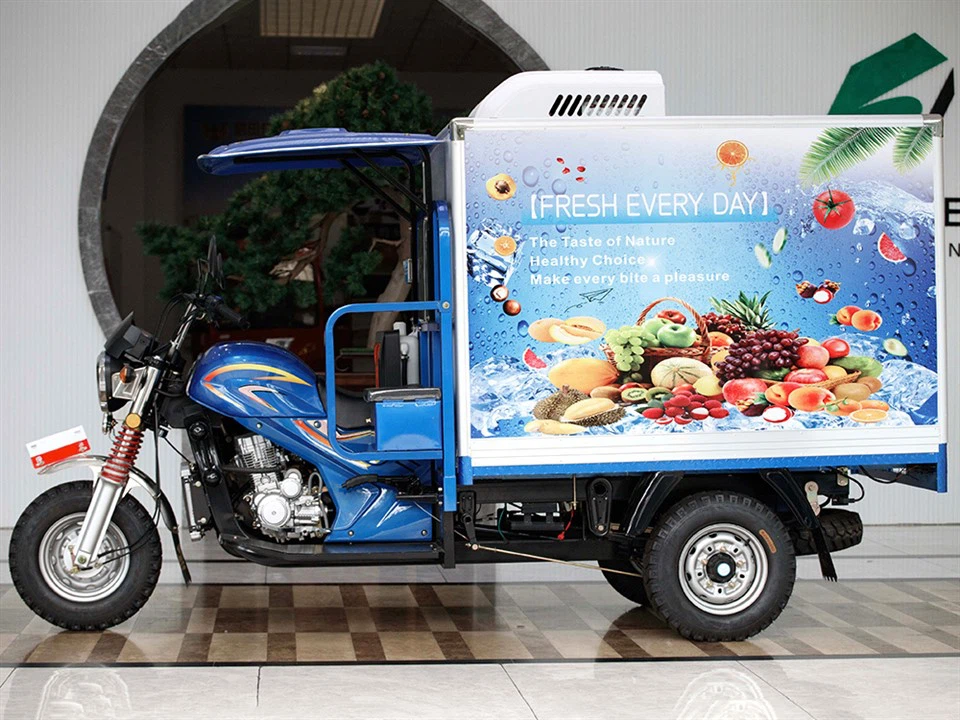
In the modern era, environmental consciousness has become a driving force behind various industries, prompting a shift towards more sustainable solutions. As a supplier of cargo tricycles, I often find myself at the center of discussions regarding the environmental friendliness of these vehicles. This blog post aims to delve into the topic, exploring the ecological impact of cargo tricycles and shedding light on their role in promoting a greener future.
Understanding Cargo Tricycles
Cargo tricycles, also known as freight trikes or cargo bikes, are three-wheeled vehicles designed to carry goods. They come in various shapes and sizes, equipped with different types of cargo compartments to accommodate a wide range of loads. These vehicles are powered by human effort, electric motors, or a combination of both, making them versatile and suitable for various applications, from urban delivery services to personal transportation.
Environmental Benefits of Cargo Tricycles
One of the primary advantages of cargo tricycles is their low environmental impact. Unlike traditional delivery trucks and vans, which are typically powered by fossil fuels, cargo tricycles produce zero or significantly reduced emissions. Electric cargo tricycles, in particular, offer a clean and efficient alternative, as they run on electricity, which can be sourced from renewable energy sources such as solar, wind, or hydro power.
- Reduced Carbon Footprint: By replacing fossil fuel-powered vehicles with cargo tricycles, we can significantly reduce greenhouse gas emissions. According to a study by the European Cyclists' Federation, a single cargo tricycle can save up to 1.5 tons of CO2 emissions per year compared to a conventional delivery van. This reduction in carbon footprint is crucial in the fight against climate change and helps to create a more sustainable transportation system.
- Lower Air Pollution: In addition to reducing greenhouse gas emissions, cargo tricycles also help to improve air quality. Traditional vehicles emit pollutants such as particulate matter, nitrogen oxides, and volatile organic compounds, which can have detrimental effects on human health and the environment. Cargo tricycles, on the other hand, produce little to no air pollution, making them a cleaner and healthier option for urban areas.
- Energy Efficiency: Cargo tricycles are highly energy-efficient compared to traditional vehicles. Electric cargo tricycles, in particular, require less energy to operate than their fossil fuel counterparts, as they convert a higher percentage of the energy stored in their batteries into motion. This energy efficiency not only reduces operating costs but also helps to conserve natural resources.
Challenges and Limitations
While cargo tricycles offer numerous environmental benefits, they also face several challenges and limitations that need to be addressed.
- Limited Range and Payload Capacity: One of the main limitations of cargo tricycles is their limited range and payload capacity. Electric cargo tricycles typically have a range of 50-100 miles on a single charge, which may not be sufficient for long-distance deliveries. Additionally, their payload capacity is generally lower than that of traditional delivery trucks and vans, which may limit their suitability for certain applications.
- Infrastructure and Safety Concerns: Another challenge facing cargo tricycles is the lack of appropriate infrastructure and safety measures. In many cities, there are few dedicated bike lanes or parking facilities for cargo tricycles, which can make it difficult and dangerous for riders to navigate the roads. Additionally, cargo tricycles are more vulnerable to accidents than traditional vehicles, as they are smaller and less visible.
- Cost and Affordability: Finally, the cost and affordability of cargo tricycles can be a barrier to their widespread adoption. Electric cargo tricycles are generally more expensive than traditional bicycles, and the cost of batteries and charging infrastructure can add to the overall cost of ownership. Additionally, the limited availability of financing options and incentives for cargo tricycle purchases can make it difficult for small businesses and individuals to afford these vehicles.
Addressing the Challenges
Despite these challenges, there are several strategies that can be implemented to address the limitations of cargo tricycles and promote their widespread adoption.
- Technological Advancements: Continued technological advancements in battery technology, motor efficiency, and cargo design are expected to improve the range, payload capacity, and performance of cargo tricycles. For example, the development of high-capacity batteries and fast-charging technologies will help to extend the range of electric cargo tricycles and reduce charging times. Additionally, the use of lightweight materials and aerodynamic designs will help to improve the energy efficiency and performance of these vehicles.
- Infrastructure Development: Governments and local authorities can play a crucial role in promoting the adoption of cargo tricycles by investing in infrastructure development. This includes the construction of dedicated bike lanes, parking facilities, and charging stations, as well as the implementation of traffic management measures to improve the safety and efficiency of cargo tricycle operations.
- Policy and Incentives: Governments can also encourage the adoption of cargo tricycles through the implementation of policies and incentives. This includes the provision of financial incentives such as subsidies, tax credits, and grants for the purchase of cargo tricycles, as well as the implementation of regulations and standards to ensure the safety and quality of these vehicles.
The Future of Cargo Tricycles
The future of cargo tricycles looks promising, as more and more businesses and individuals are recognizing the environmental and economic benefits of these vehicles. With continued technological advancements, infrastructure development, and policy support, cargo tricycles are expected to play an increasingly important role in the transportation of goods in urban areas.
In addition to their environmental benefits, cargo tricycles also offer several economic advantages. They are generally more affordable to purchase and operate than traditional delivery trucks and vans, which can help to reduce operating costs for businesses. Additionally, cargo tricycles are more maneuverable and can access areas that are difficult or impossible for larger vehicles to reach, which can help to improve the efficiency and productivity of delivery operations.
As a supplier of cargo tricycles, I am committed to promoting the widespread adoption of these vehicles and helping to create a more sustainable transportation system. We offer a wide range of high-quality cargo tricycles that are designed to meet the needs of various industries and applications. Our vehicles are equipped with the latest technology and features, including electric motors, lithium-ion batteries, and advanced cargo management systems, to ensure maximum efficiency and performance.
If you are interested in learning more about our cargo tricycles or would like to discuss your specific requirements, please do not hesitate to contact us. We would be happy to provide you with more information and answer any questions you may have. Together, we can make a difference and create a greener future for generations to come.
Conclusion
In conclusion, cargo tricycles are a sustainable and environmentally friendly alternative to traditional delivery trucks and vans. They offer numerous environmental benefits, including reduced carbon emissions, lower air pollution, and improved energy efficiency. While they face several challenges and limitations, these can be addressed through technological advancements, infrastructure development, and policy support. As a supplier of cargo tricycles, I am confident that these vehicles will play an increasingly important role in the transportation of goods in urban areas in the future.
If you're considering integrating more sustainable transportation solutions into your business operations, our range of cargo tricycles could be the perfect fit. Whether you're a small local business or a large corporation looking to reduce your carbon footprint, we have the expertise and products to meet your needs. To explore our Cheap Electric Car options and other cargo tricycles, and to start a conversation about how we can work together, reach out to us today. Let's take the first step towards a more sustainable and efficient future in goods transportation.


References
- European Cyclists' Federation. (Year). The Environmental Benefits of Cycling.
- International Energy Agency. (Year). Global EV Outlook.
- World Health Organization. (Year). Air Quality Guidelines.